Do Moroccans Speak English? A Language Guide for TravelersGuide
Do Moroccans speak English? Yes, many Moroccans speak at least some English, especially in major tourist destinations, hotels, restaurants, tour companies, and popular attractions. However, English is not one of Morocco’s official languages, and travelers will hear several other languages during their trip.
Morocco is a multilingual country where Arabic and Amazigh (Berber) are official languages, while French is widely used in education, business, administration, tourism, and everyday communication. Spanish is also common in parts of northern Morocco, while English is becoming increasingly popular among younger generations and people working in tourism.
For travelers visiting Marrakech, Fes, Casablanca, Rabat, Chefchaouen, Essaouira, Merzouga, or the Atlas Mountains, understanding Morocco’s language landscape can make the trip easier and more enjoyable.
You do not need to speak Arabic or French to travel around Morocco. In most major tourist areas, you can communicate in English, particularly with hotel staff, professional guides, tour operators, and people working with international visitors.
However, learning a few Moroccan Arabic expressions can make everyday interactions much more enjoyable and is often appreciated by local people.
Do Moroccans Speak English?
The short answer is yes, but it depends on where you are and who you are speaking with.
English is not spoken equally throughout Morocco.
In cities and destinations that receive large numbers of international visitors, you are much more likely to find people who speak English.
These include:
- Marrakech
- Fes
- Casablanca
- Rabat
- Chefchaouen
- Essaouira
- Agadir
- Merzouga
- Ouarzazate
- Tangier
Tourism has played an important role in the growth of English in Morocco. Hotels, riads, restaurants, travel agencies, desert camps, guides, and activity providers increasingly interact with English-speaking visitors.
Younger Moroccans are also increasingly exposed to English through social media, films, music, online education, gaming, and international travel.
That said, you should not expect everyone you meet to speak fluent English.
In smaller villages, local markets, rural areas, or neighborhoods away from tourist centers, French, Moroccan Arabic, or Amazigh may be more useful.
What Languages Are Spoken in Morocco?
Morocco has a fascinating multilingual culture.
The country’s two official languages are Arabic and Amazigh, but several other languages are widely used.
Moroccan Arabic: Darija
Moroccan Arabic, commonly called Darija, is the variety of Arabic most commonly used in everyday conversations.
It is different from Modern Standard Arabic and contains vocabulary influenced by Amazigh, French, Spanish, and other languages.
You will hear Darija in:
- Markets
- Taxis
- Cafés
- Shops
- Neighborhoods
- Homes
- Restaurants
- Everyday conversations
Learning even a few Darija expressions can make your interactions with locals more personal.
Amazigh Languages
Amazigh, also known as Berber, is an important part of Moroccan cultural identity.
Several Amazigh varieties are spoken across different regions of Morocco.
You may encounter Amazigh languages particularly in communities in:
- The High Atlas
- Middle Atlas
- Anti-Atlas
- Southern Morocco
- Rural mountain regions
The Amazigh language is also represented by Tifinagh, its traditional writing system.
Travelers visiting the Atlas Mountains or rural communities may have opportunities to hear Amazigh being spoken in everyday life.
Is French Spoken in Morocco?
Yes. French is extremely important in Morocco, even though it is not an official language.
French is widely used in:
- Business
- Education
- Administration
- Tourism
- Hospitality
- Restaurants
- Healthcare
- Professional communication
Many Moroccans speak French alongside Darija or Amazigh.
For travelers, French can therefore be very useful.
If you speak French, you may find communication relatively easy in many Moroccan cities.
In tourist destinations, however, English is increasingly common, particularly among younger people and tourism professionals.
Is English Widely Spoken in Marrakech?
Marrakech is one of the easiest Moroccan cities for English-speaking travelers.
Because the city attracts visitors from Europe, North America, Asia, and many other parts of the world, English is widely encountered in the tourism industry.
You can often find English-speaking staff in:
- Hotels
- Riads
- Tour companies
- Restaurants
- Tourist attractions
- Souks
- Excursion agencies
- Desert tour companies
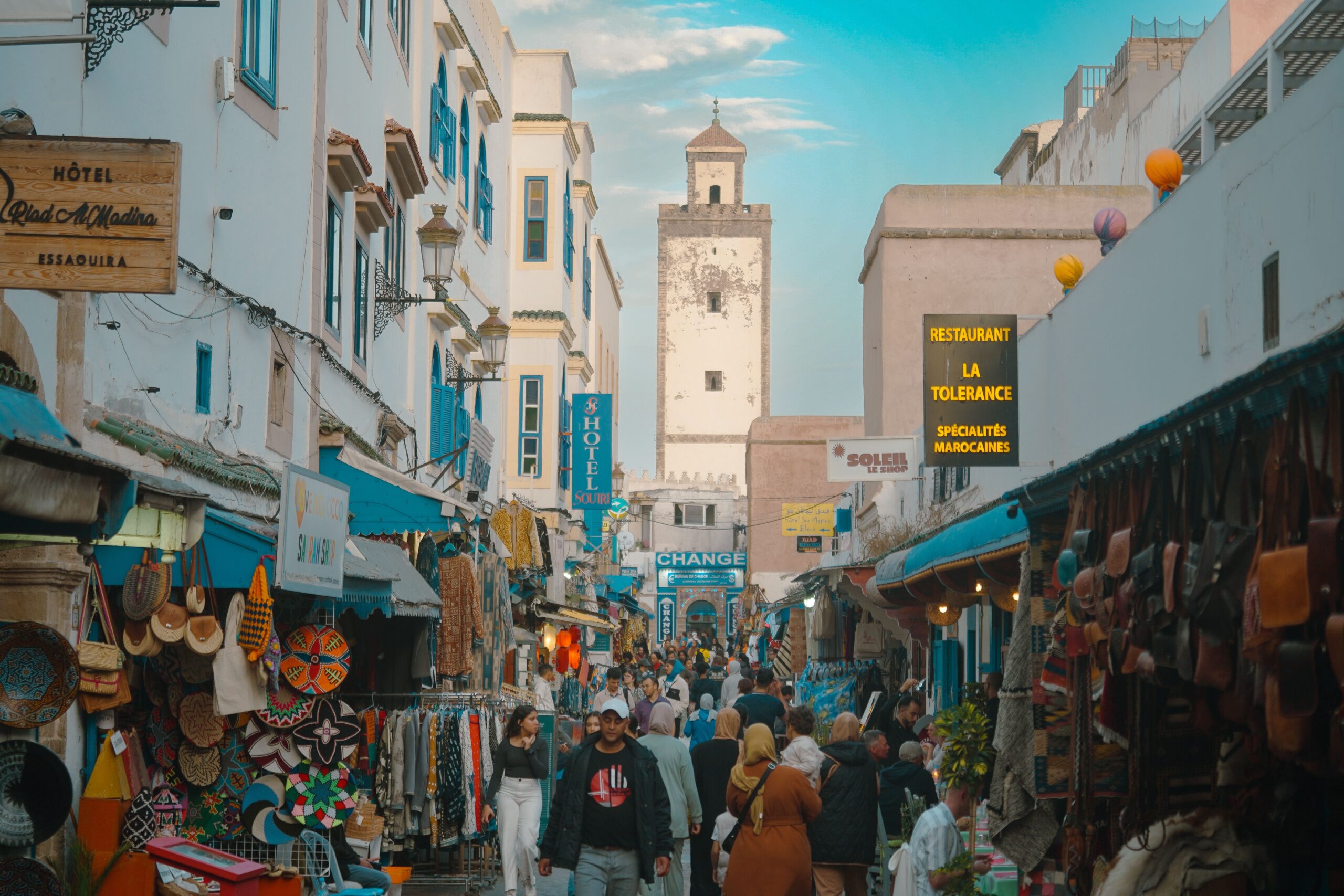
In the famous Medina, you may hear Darija, French, English, Spanish, and other languages within the same street.
However, outside the tourism industry, English proficiency can vary considerably.
If you are visiting Marrakech for the first time, knowing a few basic Moroccan Arabic expressions can still be very useful.
Can You Travel Around Morocco Speaking Only English?
Yes, in most tourist situations.
An English-speaking traveler can generally organize a trip through Morocco without knowing Arabic or French.
You can book:
- Hotels
- Riads
- Tours
- Desert excursions
- Airport transfers
- Restaurants
- Activities
using English in many tourist areas.
Professional Moroccan tour companies also frequently provide English-speaking guides.
For travelers who want to explore Morocco comfortably while learning about local culture, choosing a tour company with experienced local guides can make communication much easier.
You can discover Morocco with a local travel company through Xplore Morocco.
Where English Is Most Useful
English is particularly useful in:
Marrakech:
Tourism is one of the city’s major industries, so English is commonly encountered.
Fes:
Hotels, guides, restaurants, and tourism businesses often have English-speaking staff.
Merzouga:
Desert tours and camps regularly welcome international travelers, making English useful in the tourism sector.
Chefchaouen:
The Blue City receives many international visitors, so English can often be used around the Medina.
Essaouira:
The city’s international tourism scene means English is frequently spoken in hotels, restaurants, and activities.
Do Taxi Drivers in Morocco Speak English?
This is where communication can become more challenging.
Some taxi drivers speak English, especially in major tourist areas, but you should not assume that every driver will be fluent.
Having your destination written down can help.
For example, if you are going to a hotel or riad, keeping the name and address on your phone is useful.
Useful Tip
Instead of trying to explain a complicated destination in English, show the driver:
- Hotel name
- Address
- Google Maps location
- Neighborhood
- Landmark nearby
This can make communication much easier.
If you are traveling around Rabat, Marrakech, Fes, or other major cities, learning how the local transportation system works can also save you time.
Discover More from Fes
Explore our private tours from Fes and discover Morocco’s most iconic destinations with expert local guides.
Do People Speak English in Moroccan Souks?
You will often encounter English in popular Moroccan souks, especially in areas visited by international tourists.
Shopkeepers and vendors who regularly interact with foreign visitors may speak several languages, including English, French, Spanish, Italian, German, or others.
However, the level of English varies.
You may have a conversation entirely in English, or you may communicate through a mixture of simple English, French, Darija, gestures, and numbers.
This is part of the experience.
Useful Shopping Expressions
You may hear or use:
“Bshhal?”
How much?
“Ghali!”
Expensive!
“Shukran.”
Thank you.
“La, shukran.”
No, thank you.
Even using one or two Darija expressions can make a market interaction more friendly.
Do Moroccan Tour Guides Speak English?
Many professional Moroccan guides working with international travelers speak English.
This is especially common among guides specializing in:
- Marrakech tours
- Fes tours
- Sahara desert tours
- Atlas Mountains excursions
- Cultural tours
- Multi-day Morocco itineraries
An English-speaking guide can do much more than translate words.
A good local guide can explain:
- Moroccan history
- Architecture
- Food
- Religion and traditions
- Local customs
- Amazigh culture
- Desert life
- Moroccan geography
This can make a major difference when visiting places where signs and historical information may not be available in English.
For travelers who want to combine communication with authentic local knowledge, traveling with a professional guide is often one of the best ways to explore Morocco.
Is English Spoken in the Moroccan Sahara?
Yes, particularly within the tourism industry.
Popular desert destinations such as Merzouga and Erg Chebbi welcome international travelers throughout the year.
You can find English-speaking:
- Desert guides
- Drivers
- Camp staff
- Tour operators
- Hotel employees
- Restaurant workers
However, if you travel farther into rural communities, English may become less common.
You may encounter people who communicate primarily in Darija or Amazigh.
This is one of the reasons local guides are valuable during desert journeys.
They can help bridge the language gap while also explaining the culture and landscape around you.
What Language Should You Learn Before Visiting Morocco?
You do not need to become fluent in a language before traveling to Morocco.
Instead, learn a few useful expressions.
Useful Moroccan Arabic Words for Travelers
| English | Moroccan Arabic |
| Hello | Salam |
| Thank you | Shukran |
| Yes | Naam |
| No | La |
| Please | Afak |
| How much? | Bshhal? |
| Excuse me | Smah li |
| Good | Mzyan |
| Delicious | Bnin |
| Goodbye | Bslama |
These simple expressions can be useful in restaurants, markets, taxis, hotels, and everyday interactions.
Is Arabic Difficult for Tourists to Learn?
Moroccan Arabic can seem difficult because it is quite different from the Arabic varieties travelers may encounter elsewhere.
Darija is spoken quickly, and its vocabulary includes influences from several languages.
However, you do not need to learn grammar or hold long conversations.
Start with simple expressions.
Learning:
Salam — Hello
Shukran — Thank you
Afak — Please
Bshhal? — How much?
Bslama — Goodbye
can already make a difference.
Moroccans generally appreciate visitors who make an effort to use local expressions.
What About English in Rural Morocco?
This is where travelers should adjust their expectations.
English is less likely to be widely spoken in rural villages than in major tourist cities.
In remote Atlas Mountain communities or smaller desert settlements, you may encounter people who primarily speak Amazigh or Darija.
This does not mean communication is impossible.
Moroccans are accustomed to interacting with people from different backgrounds, and communication can happen through:
- Basic words
- French
- Gestures
- Numbers
- Translation apps
- Local guides
In fact, limited shared language can sometimes create memorable and spontaneous interactions.
English, French, or Arabic: Which Is Best for Travelers?
There is no single answer.
English
Best for:
- International tourism
- Hotels
- Tour companies
- Desert camps
- Younger Moroccans
- Major attractions
French
Best for:
- Business
- Administration
- Urban areas
- Professional services
- Many restaurants and shops
Darija
Best for:
- Everyday conversations
- Markets
- Taxis
- Neighborhoods
- Informal interactions
Amazigh
Especially relevant in:
- Atlas Mountain communities
- Rural areas
- Southern Morocco
- Amazigh communities
The most useful approach is therefore to use the language that works in each situation.
How Language Connects Travelers With Moroccan Culture
Language is not only a practical tool.
It is also a way of understanding culture.
When you learn a few Moroccan expressions, you begin to notice how people greet each other, show hospitality, negotiate in markets, order food, and interact socially.
For example, “Salam” is more than simply a translation of “hello.” Greetings are an important part of Moroccan social etiquette.
Similarly, accepting Moroccan mint tea, learning a polite expression, or trying to pronounce a local word can create a warmer interaction between visitors and residents.
Travel becomes much more meaningful when communication is treated as part of cultural discovery.
Tips for English-Speaking Travelers in Morocco
Learn a Few Darija Expressions
You do not need dozens of words. Five or ten useful expressions can be enough to start.
Save Important Addresses
Keep your hotel, riad, tour meeting point, and accommodation details on your phone.
Use Translation Apps
Translation applications can be helpful, particularly outside major tourist destinations.
Be Patient
If you and another person do not share a common language, slow down and use simple words.
Ask for Help
Moroccan hospitality is an important part of the travel experience. If you are confused, politely asking for assistance can often lead to a helpful interaction.
Travel With a Local Guide
For multi-day trips, a professional local guide can make communication easier while providing cultural and historical context.
Frequently Asked Questions About Language in Morocco
Do Moroccans speak English?
Yes. Many Moroccans speak English, particularly younger people and professionals working in tourism. English is common in major tourist destinations such as Marrakech, Fes, Merzouga, Essaouira, and Chefchaouen, although it is not spoken equally throughout the country.
What language do Moroccans speak?
Morocco’s two official languages are Arabic and Amazigh. Moroccan Arabic, known as Darija, is widely used in everyday life. French is also widely used, while English and Spanish are common in certain tourism and regional contexts.
Can I visit Morocco without speaking Arabic?
Yes. You can travel around Morocco without speaking Arabic. English is commonly used in the tourism industry, while French can also be useful. Learning a few basic Darija expressions is recommended but not essential.
Is English widely spoken in Marrakech?
English is widely encountered in Marrakech’s tourism industry. Many hotels, riads, restaurants, guides, and tour companies have English-speaking staff. Outside tourist areas, English proficiency can vary.
Do people speak English in the Sahara Desert?
English is commonly spoken by people working in tourism around destinations such as Merzouga and Erg Chebbi. Desert guides, camps, drivers, and tour operators often work with international visitors. In remote communities, however, Darija or Amazigh may be more common.
So, do Moroccans speak English? Yes, especially in Morocco’s major tourist destinations and within the hospitality and tourism industries, but Morocco is much more multilingual than English alone. Arabic, Darija, Amazigh, French, Spanish, and English all play different roles in Moroccan society. For travelers, the best approach is not to worry about becoming fluent before arriving. Learn a few simple Moroccan Arabic expressions, keep important information written down, use translation tools when necessary, and take the opportunity to communicate with locals whenever possible. Have you traveled to Morocco before, and which Moroccan word or expression did you learn during your trip? Share it in the comments!