
Moroccan Tea Ceremony: History and Traditions
Moroccan tea is much more than a drink. The Moroccan tea ceremony is an important part of Moroccan hospitality, social life, and cultural identity. Known locally as atay, Moroccan mint tea is traditionally prepared with green tea, fresh mint, and sugar, then poured from a height into small glasses.
From family homes and traditional riads to cafés and desert camps, tea is often offered to guests as a welcoming gesture. Understanding its history and traditions can make a visit to Morocco even more meaningful.
What Is Moroccan Tea?
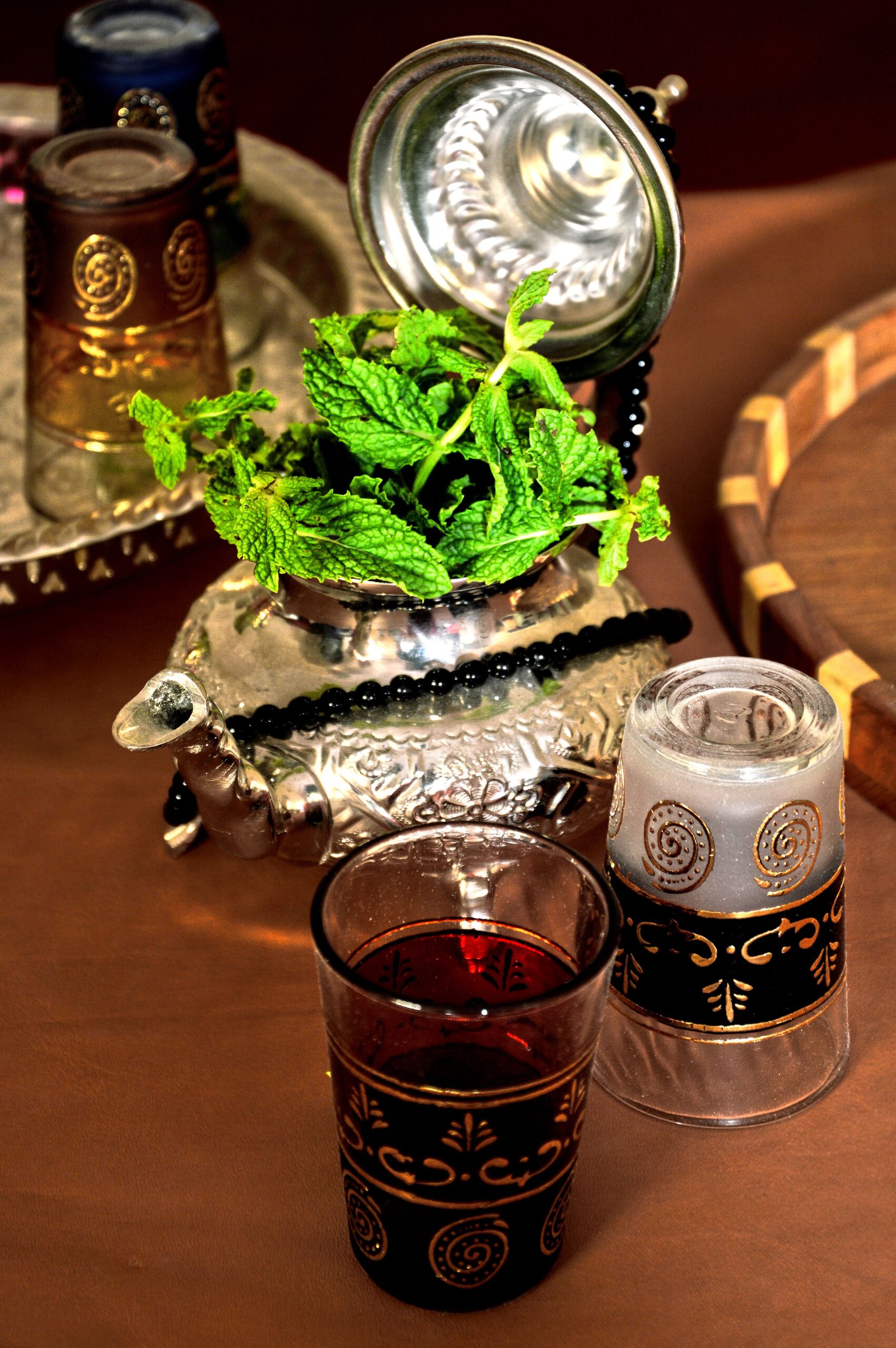
Moroccan tea is traditionally made with Chinese gunpowder green tea, fresh spearmint, and sugar.
The combination creates a refreshing drink with a balance of bitterness, sweetness, and minty freshness.
Although recipes vary between families and regions, the traditional preparation usually involves washing or steeping the green tea, adding fresh mint, and sweetening the drink generously.
Moroccan tea can be served throughout the day, whether after a meal, during a conversation, or when welcoming visitors.
The History of Moroccan Tea
Tea became established in Morocco during the 18th and 19th centuries, with trade routes helping bring Chinese green tea and other goods into North Africa.
Over time, tea became deeply integrated into Moroccan society.
What began as an imported beverage gradually developed into a distinctly Moroccan tradition. Green tea was combined with locally available mint and sugar, creating the drink now strongly associated with Moroccan hospitality.
Tea eventually became part of everyday life across different regions and social groups.
Today, offering tea to a visitor is one of the most recognizable expressions of Moroccan hospitality.
Why Is Tea So Important in Moroccan Culture?
The importance of tea goes far beyond its taste.
The Moroccan tea ceremony represents hospitality, generosity, friendship, and social connection.
When someone enters a Moroccan home, offering tea can be a way of saying:
“You are welcome here.”
Tea may be prepared when:
- Welcoming guests
- Visiting family
- Meeting friends
- Celebrating special occasions
- Sharing meals
- Discussing business
- Relaxing after a long day
- Receiving travelers
The preparation itself can also become a social moment, with people gathering around while the tea is made and served.
How Is Traditional Moroccan Tea Prepared?
The preparation of Moroccan tea is almost a ritual.
A traditional tea service usually includes:
- Green tea
- Fresh mint
- Sugar
- Boiling water
- A Moroccan teapot
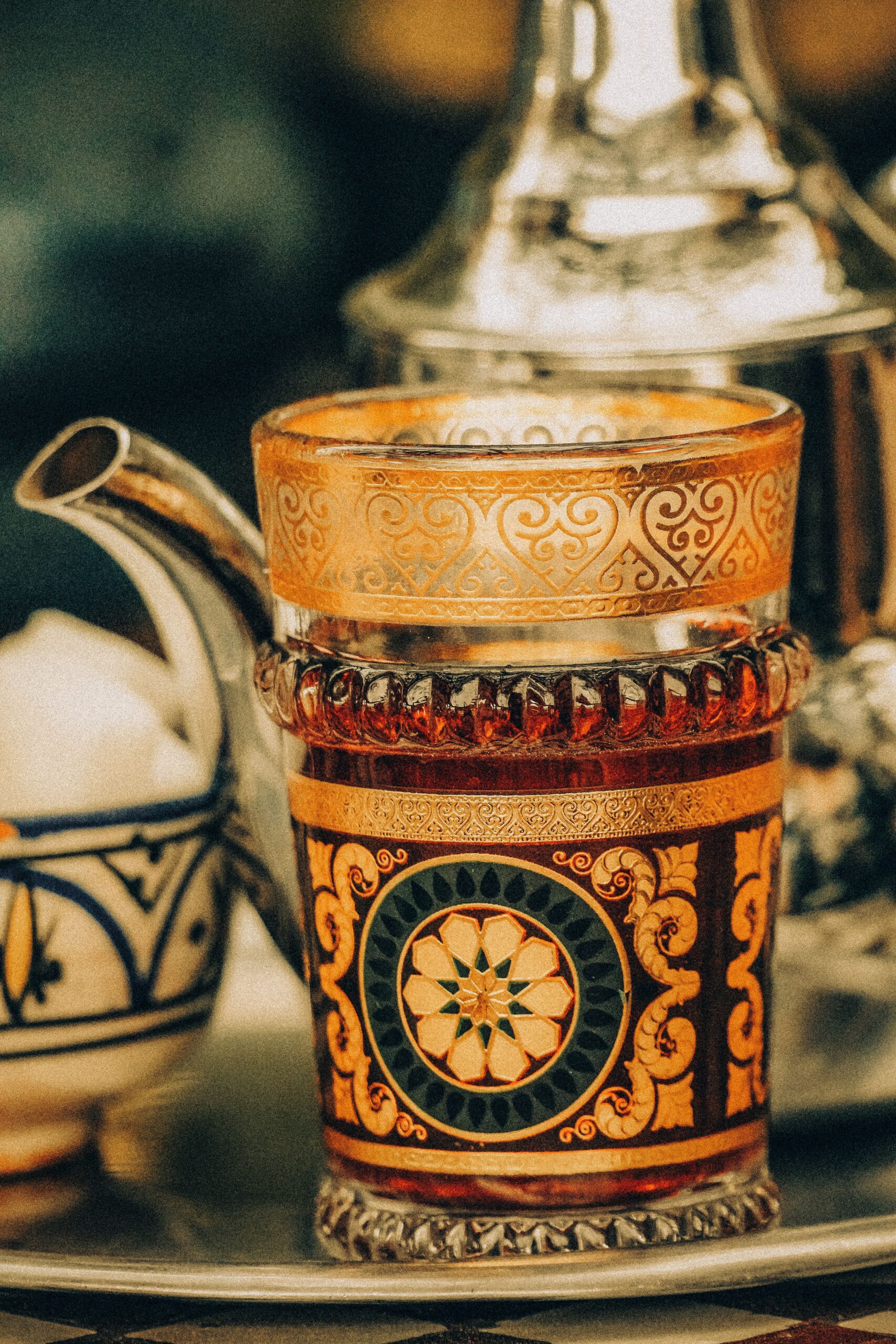
- Small decorated tea glasses
The tea is usually prepared directly in the pot.
First, the green tea is placed inside the teapot and rinsed with hot water. Fresh mint is then added, followed by sugar according to taste.
Hot water is added and the tea is allowed to steep.
The host may pour a small amount into a glass and return it to the pot, mixing the flavors before serving.
Why Is Moroccan Tea Poured From High Above?
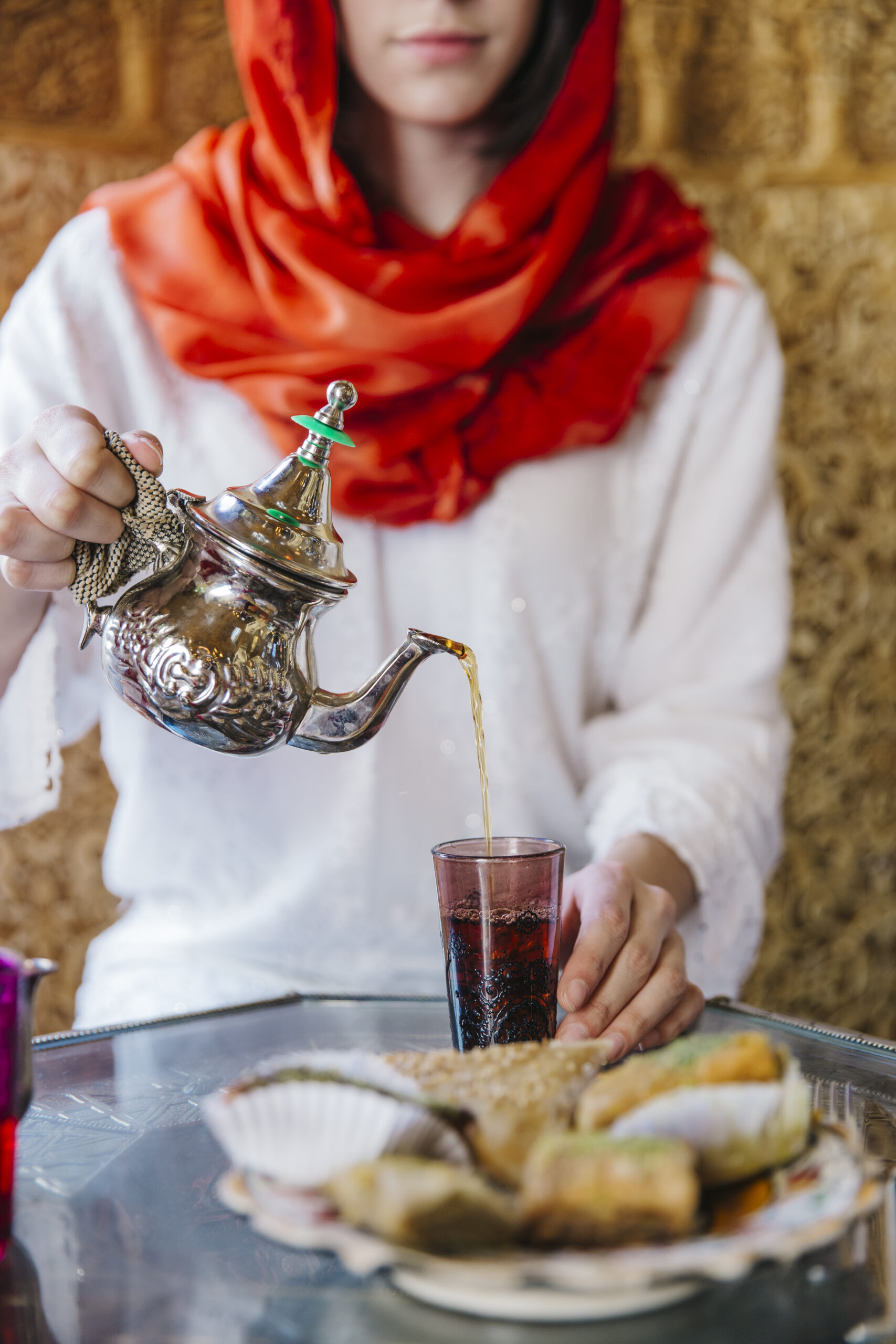
One of the most recognizable features of Moroccan tea culture is the way the drink is poured.
The host raises the teapot above the glass and pours the tea from a distance.
This creates a thin stream of tea and often produces a light layer of foam on top.
It is both practical and traditional.
For visitors, watching an experienced host pour tea from a considerable height is often one of the most memorable parts of the experience.
The technique also requires practice, particularly when serving several people.
The Three Glasses of Moroccan Tea
You may hear the expression that “the first glass is as gentle as life, the second as strong as love, and the third as bitter as death.”
This famous saying is often used to describe the three rounds of Moroccan tea.
However, tea customs can vary between families and regions, so the expression should not be treated as a strict rule followed everywhere.
The important idea is that tea is often served repeatedly during a social gathering.
Guests are encouraged to relax, talk, and enjoy the moment rather than rushing through the experience.
Moroccan Mint Tea and Hospitality
Hospitality is one of the central themes of Moroccan tea culture.
A visitor may be offered tea almost anywhere:
- In a family home
- At a traditional riad
- In a mountain village
- In a desert camp
- At a local workshop
- During a cultural visit
- At a Moroccan restaurant
Accepting tea can therefore be more than simply accepting a beverage. It can be a way of participating in a local social tradition.
For travelers, these small moments can offer some of the most authentic cultural experiences in Morocco.
Moroccan Tea in the Sahara Desert
Tea has a particularly strong presence in Morocco’s desert regions.
After traveling through the Sahara, visitors may be welcomed into a desert camp with a traditional glass of mint tea.
The preparation of tea can provide a moment to slow down after a day of traveling through the dunes.
At a desert camp, tea may be accompanied by:
- Traditional music
- Conversation
- Local food
- Storytelling
- Sunset views
- Stargazing
This makes tea an important part of the overall Moroccan desert experience.
If you are planning to experience the Sahara, explore Xplore Morocco for Morocco tours combining Marrakech, the Atlas Mountains, desert landscapes, and cultural experiences.
Moroccan Tea in Different Regions
Although mint tea is widely associated with Morocco, its preparation and ingredients can vary from one region to another.
Marrakech
In Marrakech, tea is commonly served in homes, riads, restaurants, and traditional cafés.
High Atlas Mountains
In mountain communities, tea can be an important part of welcoming visitors and sharing time with families.
Sahara Desert
In desert communities, tea is closely connected with hospitality and social gatherings.
Northern Morocco
Tea traditions may reflect the region’s historical connections with the Mediterranean and Andalusia.
These regional differences make Moroccan tea culture particularly interesting for travelers exploring different parts of the country.
What Does Moroccan Tea Taste Like?
Traditional Moroccan mint tea combines three main flavors:
Green tea provides a slightly bitter and earthy base.
Fresh mint adds a refreshing aroma.
Sugar creates the characteristic sweetness.
The exact balance depends on the person preparing the tea.
Some people prefer stronger green tea, while others use more mint or sugar.
In some regions, additional herbs may also be used depending on local traditions and personal preference.
Moroccan Tea Ceremony Etiquette for Travelers
If you are invited to drink tea in Morocco, there are a few simple things to keep in mind.
Accept the Gesture
If someone offers you tea, accepting a glass is generally considered a polite way to appreciate their hospitality.
Take Your Time
Tea is traditionally a social experience. There is no need to drink it quickly.
Use Your Right Hand
When appropriate, use your right hand to receive or handle the glass, particularly in traditional settings.
Expect More Than One Glass
Your host may refill your glass or offer additional rounds.
Ask Questions
Moroccans are often happy to explain how their tea is prepared, especially when speaking with interested travelers.
Is Moroccan Tea Always Very Sweet?
Not necessarily.
Sugar is traditionally an important ingredient, and Moroccan tea can be quite sweet, but the amount varies.
Some households prepare very sweet tea, while others use less sugar depending on personal preferences.
When ordering tea in a café or restaurant, you can ask whether sugar is added separately if you prefer to control the sweetness.
Moroccan Tea and Everyday Life
One reason the Moroccan tea ceremony remains so important is that it is not limited to formal celebrations.
Tea is part of ordinary daily life.
Friends may drink tea while talking, families may prepare it after meals, and hosts may make it when someone arrives unexpectedly.
This everyday role is what makes Moroccan tea such an interesting cultural tradition.
It is not simply something prepared for tourists.
It is a genuine part of social life across Morocco.
Tea, Conversation, and Social Connection
The Moroccan tea ceremony creates time for conversation.
In a fast-moving world, preparing tea encourages people to stop, sit together, and talk.
A tea gathering can last considerably longer than simply drinking a beverage.
People may discuss:
- Family
- Travel
- Work
- Current events
- Food
- Local traditions
- Everyday life
For travelers, this social aspect can provide a more personal understanding of Moroccan culture than simply visiting monuments.
Moroccan Tea and Special Occasions
Tea also appears during important social occasions.
It can be served during:
- Family celebrations
- Weddings
- Religious and cultural gatherings
- Visits between families
- Hospitality ceremonies
The presentation can become more elaborate during special events, with decorative teapots, glasses, trays, pastries, and other Moroccan foods.
How Travelers Can Experience a Moroccan Tea Ceremony
The easiest way to experience Moroccan tea culture is simply to accept an invitation to drink tea.
You can also experience it through:
- Traditional Moroccan cooking experiences
- Riad stays
- Cultural tours
- Desert camps
- Mountain excursions
- Local family visits
- Traditional restaurants
When traveling with a local guide, ask them about the history and preparation of Moroccan tea.
A simple glass of mint tea can become a fascinating introduction to Moroccan culture.
The Moroccan tea ceremony brings together hospitality, tradition, food, conversation, and social connection.
From the first preparation of green tea to the final glass, the process encourages people to slow down and spend time together.
For travelers, this is one of the easiest Moroccan traditions to experience—and one of the most meaningful.
Whether you drink tea in Marrakech, the High Atlas Mountains, a traditional riad, or beneath the stars of the Sahara, the experience offers a small but authentic glimpse into Moroccan everyday life.
Have you ever experienced a traditional Moroccan tea ceremony? What was your favorite part—the preparation, the mint tea, or the hospitality? Share your experience in the comments!