Things to Do in Morocco: 25 Amazing Experiences You Shouldn’t Miss
Morocco is the kind of destination where a single trip can include ancient medinas, Atlantic beaches, snow-capped mountains, vast desert dunes, colorful souks, historic kasbahs, and unforgettable local food. With so many places to visit and experiences to choose from, deciding what to do can be surprisingly difficult.
The best things to do in Morocco are not limited to famous landmarks. Some of the most rewarding experiences come from walking through a quiet medina early in the morning, sharing mint tea with a local family, watching the sunset over the Sahara, hiking through an Atlas Mountain valley, or eating freshly grilled seafood beside the Atlantic.
This guide brings together the best experiences across Morocco, with practical advice to help you decide where to go, what to prioritize, and how to build your itinerary.
1. Explore the Medina of Marrakech
Marrakech is one of the best places to begin a Moroccan adventure. Its historic medina is a maze of narrow streets, traditional riads, souks, workshops, food stalls, and architectural treasures.
Start your day around Jemaa el-Fnaa, the city’s famous central square. Early morning is considerably calmer than the evening, while sunset brings the square to life with food vendors, musicians, performers, and locals.
Inside the souks, you’ll find handmade leather goods, carpets, lamps, pottery, spices, babouches, textiles, and Moroccan handicrafts.
Don’t rush through the medina. Allow yourself time to get slightly lost, discover small workshops, and stop for mint tea.
Practical tip
Wear comfortable shoes. The medina is best explored on foot, and many streets are uneven or crowded. If you want deeper historical context, consider hiring a licensed local guide.
2. Spend a Night in the Sahara Desert
For many visitors, spending a night in the Sahara is one of the most memorable things to do in Morocco.
The most popular desert destination is Merzouga, located beside the spectacular Erg Chebbi dunes. Here, travelers can cross the sand by camel, watch the sunset, enjoy dinner at a desert camp, listen to traditional music, and sleep beneath a remarkably clear night sky.
The experience is about much more than riding a camel. The silence of the desert, changing colors of the dunes, and sunrise the following morning are what make it special.
If you’re traveling from Marrakech to Fes, a multi-day desert route can also include Ait Ben Haddou, the Dades Valley, Todra Gorge, and the Middle Atlas.
For example, the Private Marrakech to Fes Desert Tour combines the High Atlas, Ait Ben Haddou, Todra Gorge, Erg Chebbi, the Ziz Valley, and Fes in three days.
Best time for the Sahara
Spring and autumn generally offer the most comfortable temperatures. Summer afternoons can be extremely hot, while winter nights in the desert can be surprisingly cold.
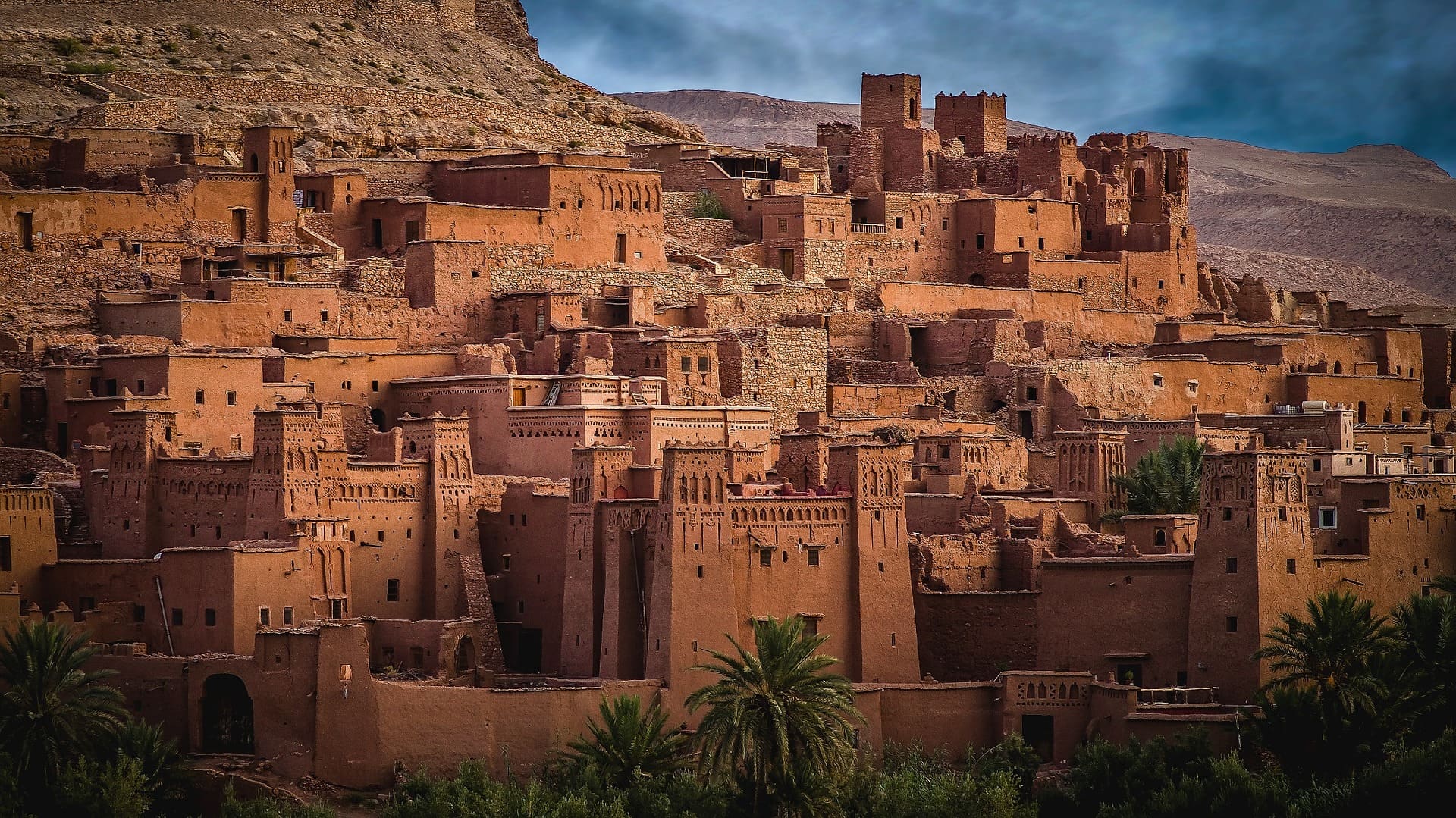
3. Visit Ait Ben Haddou
Ait Ben Haddou is one of Morocco’s most recognizable historic sites.
This fortified earthen village, or ksar, rises above the landscape along the old caravan route between Marrakech and the Sahara. Its mud-brick architecture, narrow passages, towers, and surrounding hills make it particularly impressive around sunrise or late afternoon.
Ait Ben Haddou has also appeared in numerous film and television productions. Visitors interested in cinema can combine the site with Ouarzazate and its famous film studios.
If you’re traveling south from Marrakech, Ait Ben Haddou is best experienced as part of a longer route rather than a rushed stop.
4. Wander Through the Blue Streets of Chefchaouen
Chefchaouen is one of Morocco’s most photographed towns, but its appeal goes beyond its famous blue walls.
Located in the Rif Mountains, the town is ideal for travelers who enjoy walking, photography, architecture, and a slower pace.
Spend a few hours exploring the medina, where blue-painted buildings create striking contrasts with colorful doors, woven textiles, flower pots, and traditional shops.
Then walk toward the Spanish Mosque viewpoint for a panoramic view over Chefchaouen and the surrounding mountains.
Photography tip
Early morning provides softer light and fewer people in the narrow streets. Late afternoon is another good time, especially around the upper parts of the medina.
5. Discover the Historic City of Fes
Fes is one of Morocco’s most important cultural destinations and home to one of the country’s most fascinating medinas.
The Fes el-Bali medina contains thousands of narrow streets and countless traditional businesses. Among its highlights are historic madrasas, mosques, artisan workshops, food markets, and the famous leather tanneries.
Fes is particularly rewarding for travelers interested in Moroccan craftsmanship. Watch artisans work with leather, metal, wood, ceramics, and textiles using techniques that have been passed down through generations.
Give yourself at least two days if you want to explore the city without constantly rushing.
For travelers beginning their trip in Fes, Xplore Morocco also offers routes connecting the city with the Sahara and other Moroccan destinations.
6. Take a Day Trip to Essaouira
If Marrakech feels intense after several days, Essaouira provides an excellent change of pace.
This Atlantic coastal city is known for its white-and-blue architecture, historic ramparts, fishing harbor, art galleries, seafood, and strong winds.
Walk along the Skala, explore the medina, visit the harbor, and stop for freshly prepared seafood. The beach is also a popular place for walking and water sports.
Essaouira is particularly attractive during warmer months because the Atlantic breeze makes it noticeably cooler than inland destinations.
A private day trip from Marrakech to Essaouira is a practical option if you don’t want to change hotels.
7. Hike in the High Atlas Mountains
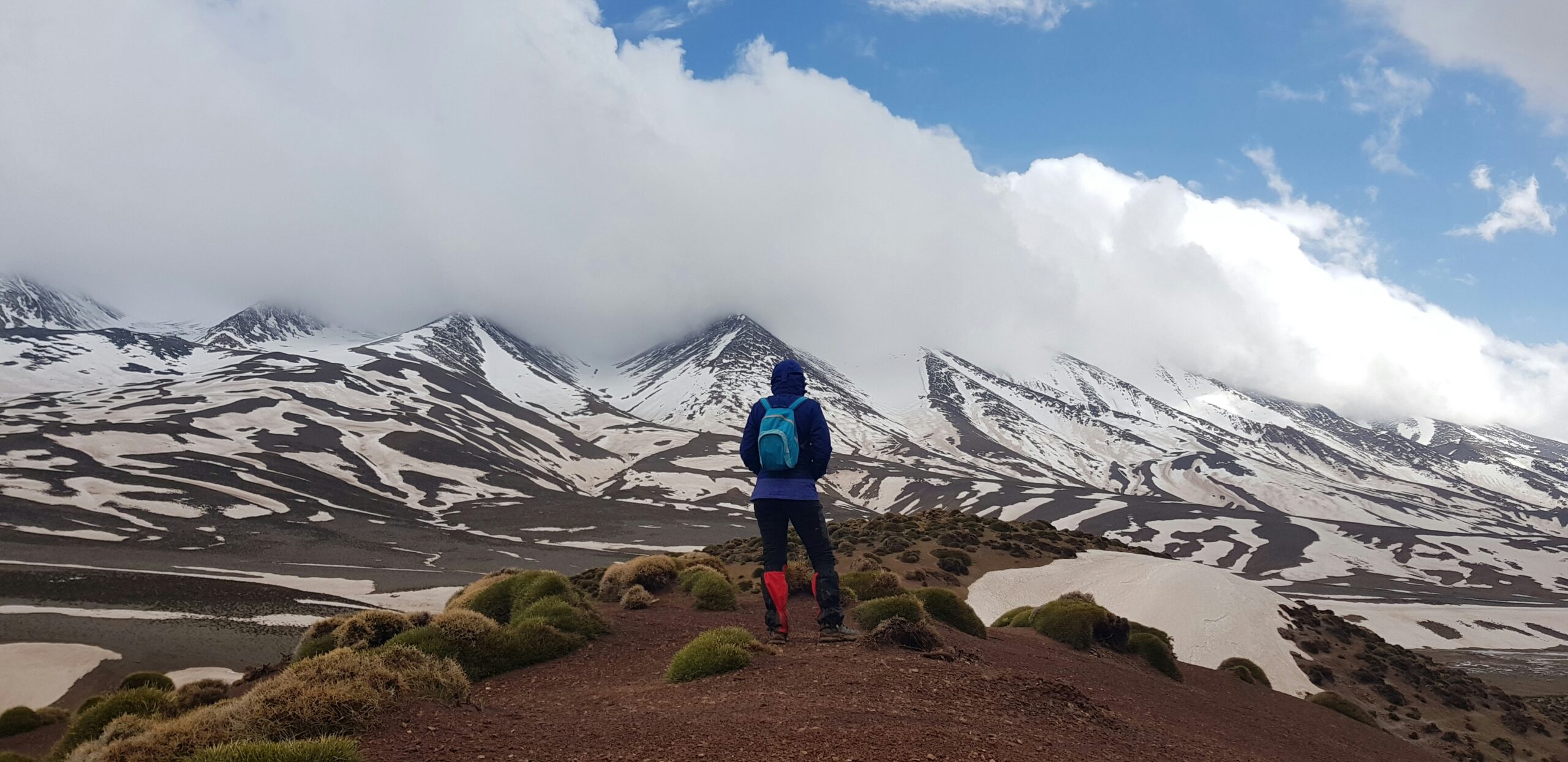
Morocco isn’t only about cities and deserts. The High Atlas Mountains offer some of the country’s best opportunities for hiking and outdoor adventure.
The village of Imlil is a popular starting point for mountain walks, including routes toward Mount Toubkal, North Africa’s highest peak.
You don’t need to climb Toubkal to enjoy the mountains. Shorter hikes can take you through Berber villages, walnut groves, terraced fields, valleys, and mountain trails.
For longer treks, hiring a local mountain guide is strongly recommended. Weather can change quickly at higher elevations, and local guides understand the terrain and village routes.
8. Visit the Ouzoud Waterfalls
The Ouzoud Waterfalls are among Morocco’s most impressive natural attractions.
Located in the Middle Atlas region, the waterfalls drop dramatically through a green landscape surrounded by olive trees and walking paths.
A visit can include hiking around the falls, taking a boat ride near the water, enjoying lunch with a view, and watching Barbary macaques in the surrounding area.
The waterfalls work particularly well as a day trip from Marrakech, although travel time means you should leave early.
9. Explore the Ancient Roman Ruins of Volubilis
For history lovers, Volubilis offers a completely different perspective on Morocco.
The archaeological site contains remarkably preserved Roman ruins, including columns, mosaics, temples, and remains of ancient public buildings.
Volubilis is often combined with visits to Meknes and the holy town of Moulay Idriss Zerhoun, making it an excellent addition to a northern Morocco itinerary.
Go in the morning or late afternoon if possible, especially during warmer months, because much of the archaeological site is exposed to the sun.
10. Walk Through the Blue and White Streets of Asilah
Asilah is a small Atlantic town known for its whitewashed buildings, colorful murals, relaxed atmosphere, and historic medina.
It is particularly enjoyable for travelers looking for a quieter coastal experience than larger Moroccan cities.
During cultural events and festivals, the town becomes even more vibrant, with murals, exhibitions, music, and artistic activities adding to its already creative atmosphere.
Asilah can easily be combined with Tangier when exploring northern Morocco.
11. Visit the Hassan II Mosque in Casablanca
Casablanca is Morocco’s largest city and an important economic center, but it also has one of the country’s most spectacular landmarks: the Hassan II Mosque.
Built beside the Atlantic Ocean, the mosque is known for its enormous scale, intricate Moroccan craftsmanship, and dramatic coastal setting.
Non-Muslim visitors can enter during organized guided visits at designated times. Dress respectfully and check visiting arrangements before going.
Casablanca is also a practical arrival point for travelers flying into Morocco, making it easy to begin a longer itinerary from there.
12. Discover the Blue Coast of Legzira
Legzira Beach, near Sidi Ifni, is famous for its dramatic coastline and red cliffs.
The beach is particularly striking around sunset, when the warm light emphasizes the colors of the cliffs and Atlantic landscape.
It is a good choice for travelers interested in photography, coastal road trips, surfing, and less crowded destinations.
Because Legzira is in southern Morocco, it works best as part of a longer Atlantic Coast itinerary rather than a quick excursion from Marrakech.
13. Taste Authentic Moroccan Food
Trying Moroccan cuisine should be near the top of your list of things to do in Morocco.
Start with classics such as:
- Tagine – slow-cooked meat, vegetables, fruit, or spices prepared in a conical clay pot.
- Couscous – traditionally served with vegetables and meat, especially on Fridays.
- Pastilla – a sweet and savory pastry often made with chicken or seafood.
- Harira – a hearty soup commonly associated with Ramadan.
- Msemen – layered Moroccan flatbread often eaten for breakfast or with tea.
- Mint tea – an essential part of Moroccan hospitality.
Don’t limit yourself to restaurants aimed at tourists. Local markets, small neighborhood restaurants, bakeries, and family-run establishments can provide some of the most memorable meals.
14. Experience a Traditional Moroccan Hammam
A hammam is more than a spa treatment. It is a traditional part of Moroccan daily life and an opportunity to experience a centuries-old bathing culture.
A traditional hammam generally involves steam, black soap, exfoliation with a kessa glove, washing, and sometimes a massage.
Travelers should distinguish between public neighborhood hammams and upscale hotel or spa versions. Public hammams tend to be simpler and more local, while tourist-oriented spas provide more privacy and services.
If it’s your first time, a reputable spa can be easier because staff can explain the process.
Discover More from Marrakesh
Discover our best private tours from Marrakech, carefully designed to showcase Morocco’s imperial cities, the spectacular Sahara Desert, the Atlas Mountains, and picturesque coastal towns.
15. Shop for Moroccan Handicrafts
Morocco has an extraordinary tradition of craftsmanship.
Depending on where you travel, you can find:
- Handwoven carpets
- Leather bags and slippers
- Ceramics
- Brass and copper lamps
- Wooden products
- Berber jewelry
- Textiles
- Spices
- Argan oil
Fes and Marrakech are especially well known for their artisan quarters and souks.
When shopping, compare prices at several stores before buying, particularly for larger purchases such as carpets. Ask about materials, production methods, and where an item was made.
16. Drive Through the Dades Valley and Todra Gorge
The route between Marrakech and the Sahara contains some of Morocco’s most dramatic scenery.
The Dades Valley is known for its rugged cliffs, palm-filled valleys, kasbahs, and winding mountain roads.
Further east, Todra Gorge features towering limestone walls and a narrow canyon that can be explored on foot.
These landscapes are best experienced slowly. Rather than treating them simply as stops between Marrakech and Merzouga, allow time for short walks, photography, and conversations with local communities.
17. Visit Ouarzazate, Morocco’s Film City
Ouarzazate is often called the gateway to the Sahara and has a long relationship with the film industry.
The city and surrounding region have been used for productions including major Hollywood and television projects. Nearby Atlas Studios provides visitors with an opportunity to see sets and learn about Morocco’s role in international filmmaking.
Game of Thrones Morocco filming locations guide
Ouarzazate is also a useful base for exploring Ait Ben Haddou and the surrounding valleys.
18. Experience a Moroccan Souk
A souk is an essential part of the Moroccan travel experience.
Instead of thinking of souks simply as shopping areas, look at them as living commercial neighborhoods where artisans, food sellers, families, and traders interact every day.
Marrakech, Fes, Meknes, and smaller towns all have different souk cultures.
Take your time, observe how products are made, and don’t feel pressured to buy immediately. Friendly bargaining is common, but it should remain respectful.
19. Explore the Atlantic Coast
Morocco has more than 3,000 kilometers of coastline, so beach experiences vary considerably.
Essaouira is ideal for a historic coastal atmosphere and water sports. Agadir offers a more developed resort environment, while smaller towns such as Sidi Ifni and Mirleft appeal to travelers searching for quieter beaches and coastal landscapes.
A road trip along the Atlantic Coast is an excellent choice if you have more than a week in Morocco.
20. Spend Time in the Agafay Desert
If your itinerary doesn’t allow enough time to reach Merzouga, the Agafay Desert offers a convenient alternative near Marrakech.
Unlike the Sahara, Agafay is a rocky desert landscape rather than a vast sea of sand dunes. It is particularly popular for sunset excursions, dinner experiences, camel rides, and overnight camps.
Because it is close to Marrakech, Agafay can be incorporated into shorter trips without sacrificing an entire day to long-distance travel.
21. Watch the Sunrise Over the Sahara
Sunset gets most of the attention, but sunrise in the Sahara deserves equal recognition.
The dunes gradually change color as the sun rises, and the cooler morning air creates a peaceful atmosphere before the heat of the day arrives.
If you’re staying in a desert camp, wake up early and climb a nearby dune before breakfast.
Bring a warm layer during the colder months. Desert temperatures can fall significantly overnight.
22. Discover Morocco’s Amazigh Culture
Amazigh culture is an essential part of Morocco’s identity and can be experienced throughout the country.
Travelers may encounter Amazigh traditions, music, crafts, architecture, food, and language in the High Atlas, Anti-Atlas, Rif, and southern regions.
For a deeper experience, consider visiting mountain villages, staying in locally run accommodation, or traveling with a knowledgeable guide who can explain the history and traditions of the communities you visit.
Respect is important: ask before photographing people, homes, or ceremonies.
23. Explore Marrakech’s Palaces and Gardens
Beyond the souks, Marrakech has impressive historic architecture and gardens.
The Bahia Palace is known for its courtyards, tilework, painted ceilings, and intricate decoration. The Badi Palace offers a very different experience, with enormous ruins that reveal the scale of the Saadian-era complex.
For a quieter break, visit one of Marrakech’s gardens and take time away from the busy medina.
The combination of architecture, gardens, food, and traditional neighborhoods makes Marrakech one of the easiest Moroccan cities to explore over several days.
24. Take a Moroccan Cooking Class
Food lovers can turn a meal into a hands-on cultural experience by joining a Moroccan cooking class.
Many cooking experiences begin with a visit to a local market to select ingredients before preparing dishes such as tagine, couscous, salads, or Moroccan bread.
The experience is especially valuable because Moroccan cooking relies heavily on spice combinations, cooking techniques, and regional traditions that are difficult to understand from a restaurant menu alone.
25. Build a Multi-Day Morocco Road Trip
If you have enough time, one of the best things to do in Morocco is to combine several regions instead of staying in one city.
A classic route might include:
Marrakech → High Atlas Mountains → Ait Ben Haddou → Dades Valley → Todra Gorge → Merzouga → Fes
This itinerary works particularly well for travelers who want a mixture of culture, landscapes, mountains, and desert.
A longer trip can continue toward Chefchaouen, Tangier, Rabat, Casablanca, or Essaouira.
The advantage of a private route is flexibility. You can stop for photographs, spend longer in villages, adjust departure times, and avoid turning every day into a race between attractions.
How Many Days Do You Need in Morocco?
The ideal length depends on how much of the country you want to see.
3–4 days
Focus on one main region, such as Marrakech and the surrounding area. Add Essaouira, the Atlas Mountains, or Agafay if time allows.
5–7 days
You can combine Marrakech with a desert route, Fes, or Essaouira. A well-planned private itinerary can cover several major landscapes without spending every day on the road.
8–10 days
This is a much better timeframe for combining imperial cities, the Sahara, mountain scenery, and the Atlantic coast.
2 weeks or more
With two weeks, you can travel at a slower pace and include northern Morocco, the desert, southern valleys, Marrakech, and the coast without constantly changing hotels.
When Is the Best Time to Visit Morocco?
Morocco can be visited throughout the year, but the best season depends on your activities.
Spring: Excellent for cities, mountains, and general sightseeing. Landscapes can be particularly green.
Summer: Hot in inland areas such as Marrakech and the desert, but pleasant on the Atlantic coast and in higher mountain areas.
Autumn: One of the best periods for combining cities, desert trips, and outdoor activities.
Winter: Mild in many cities, although mountain regions can be cold and snow may affect high-altitude routes.
For a trip combining Marrakech, the Atlas Mountains, and the Sahara, spring and autumn are generally the easiest seasons for comfortable travel.
Practical Tips for Traveling in Morocco
A little preparation makes a major difference.
Dress comfortably and respectfully
Morocco is relatively relaxed in tourist areas, but modest clothing is appreciated, particularly in rural communities and religious areas. Lightweight layers are useful because temperatures can change significantly between regions.
Carry some cash
Cards are widely accepted in hotels, larger restaurants, and modern businesses, but smaller shops, taxis, markets, and rural businesses may prefer cash.
Don’t underestimate travel distances
Morocco may look compact on a map, but mountain roads and desert routes take time. Avoid planning several major attractions on opposite sides of the country in a single day.
Carry comfortable footwear
Medinas, archaeological sites, mountain trails, and desert camps all involve walking.
Drink plenty of water
This is especially important during summer, desert excursions, and mountain hikes.
Travel with flexibility
Road conditions, weather, local events, and personal preferences can affect an itinerary. A flexible schedule often produces a better trip than trying to follow a minute-by-minute plan.
FAQ: Things to Do in Morocco
What are the best things to do in Morocco for first-time visitors?
First-time visitors should consider exploring Marrakech or Fes, experiencing the Sahara Desert, visiting Ait Ben Haddou, walking through a traditional medina, trying Moroccan cuisine, and spending time in the Atlas Mountains or on the Atlantic Coast.
How many days are enough for Morocco?
A minimum of 5–7 days allows you to experience several major highlights, but 10–14 days is better if you want to combine cities, the Sahara, mountains, and coast without rushing.
Is Morocco good for a desert trip?
Yes. A Sahara desert experience around Merzouga is one of Morocco’s most popular travel experiences. Travelers can combine camel trekking, desert camping, sunset, sunrise, traditional meals, and stargazing.
What is the best month to visit Morocco?
There isn’t one perfect month for every itinerary, but spring and autumn are generally excellent for sightseeing and combining different regions. Summer is better suited to coastal destinations and higher mountain areas if you want to avoid extreme inland heat.
Should I travel around Morocco independently or book a private tour?
Both options can work. Independent travel provides maximum flexibility, while a private tour can simplify transportation, route planning, desert logistics, and travel between remote destinations. Private tours are particularly useful for multi-region itineraries.
Morocco rewards travelers who look beyond a simple checklist of attractions. The best things to do in Morocco combine famous destinations with everyday experiences: drinking mint tea in a mountain village, watching artisans work in a medina, eating a freshly prepared tagine, walking along an Atlantic harbor, or waking before sunrise in the Sahara.
With the right itinerary, you can experience several very different sides of the country in one journey. Marrakech provides energy and history, Fes offers deep cultural heritage, the Atlas Mountains bring adventure, the Sahara delivers unforgettable landscapes, and the Atlantic Coast provides a slower rhythm.
If you’re planning a multi-region journey, explore Xplore Morocco’s private Morocco tours for routes that combine cultural experiences, desert adventures, mountains, historic sites, and coastal destinations in one itinerary.