Gnawa Music Festival: A Journey Into Morocco’s Soulful Heritage
Gnawa Music Festival is one of the most captivating cultural events in Morocco, drawing thousands of music lovers, travelers, and spiritual seekers to the coastal city of Essaouira every year. Blending centuries-old African rhythms with contemporary jazz, blues, and world music, this festival has become a symbol of Morocco’s rich cultural diversity. For anyone planning a trip to Morocco, experiencing this festival firsthand is an unforgettable way to connect with the country’s deep artistic and spiritual roots.
In this guide, we’ll explore everything you need to know about the Gnawa Music Festival — its history, its unique atmosphere, and practical tips to help you make the most of your visit to Essaouira. Whether this is your first time hearing about the event or you’re already counting down the days, here’s what makes it so worth experiencing in person.
What Is the Gnawa Music Festival?
The Gnawa Music Festival, officially known internationally as the Gnaoua World Music Festival, is an annual celebration of Gnawa music and culture held in the charming seaside town of Essaouira. It brings together traditional Gnawa musicians (known as maâlems) with international artists from jazz, reggae, rock, and world music backgrounds, creating extraordinary fusion performances that draw crowds from around the globe.
What makes the festival so special is its ability to honor deeply spiritual musical traditions while remaining accessible, joyful, and open to everyone. Locals and visitors dance side by side in the streets, on the beach, and in intimate concert venues, making it one of the most inclusive cultural gatherings in North Africa.
Unlike many large-scale festivals that feel purely commercial, this event still carries the warmth of a community celebration. Families bring children to watch the parades, elderly maâlems are treated with visible respect and reverence, and first-time visitors are welcomed with the same enthusiasm as longtime festival regulars. That balance between world-class programming and grassroots authenticity is a big part of why so many travelers return year after year.
The History and Origins of the Gnawa Music Festival
Roots in Sub-Saharan Spiritual Traditions
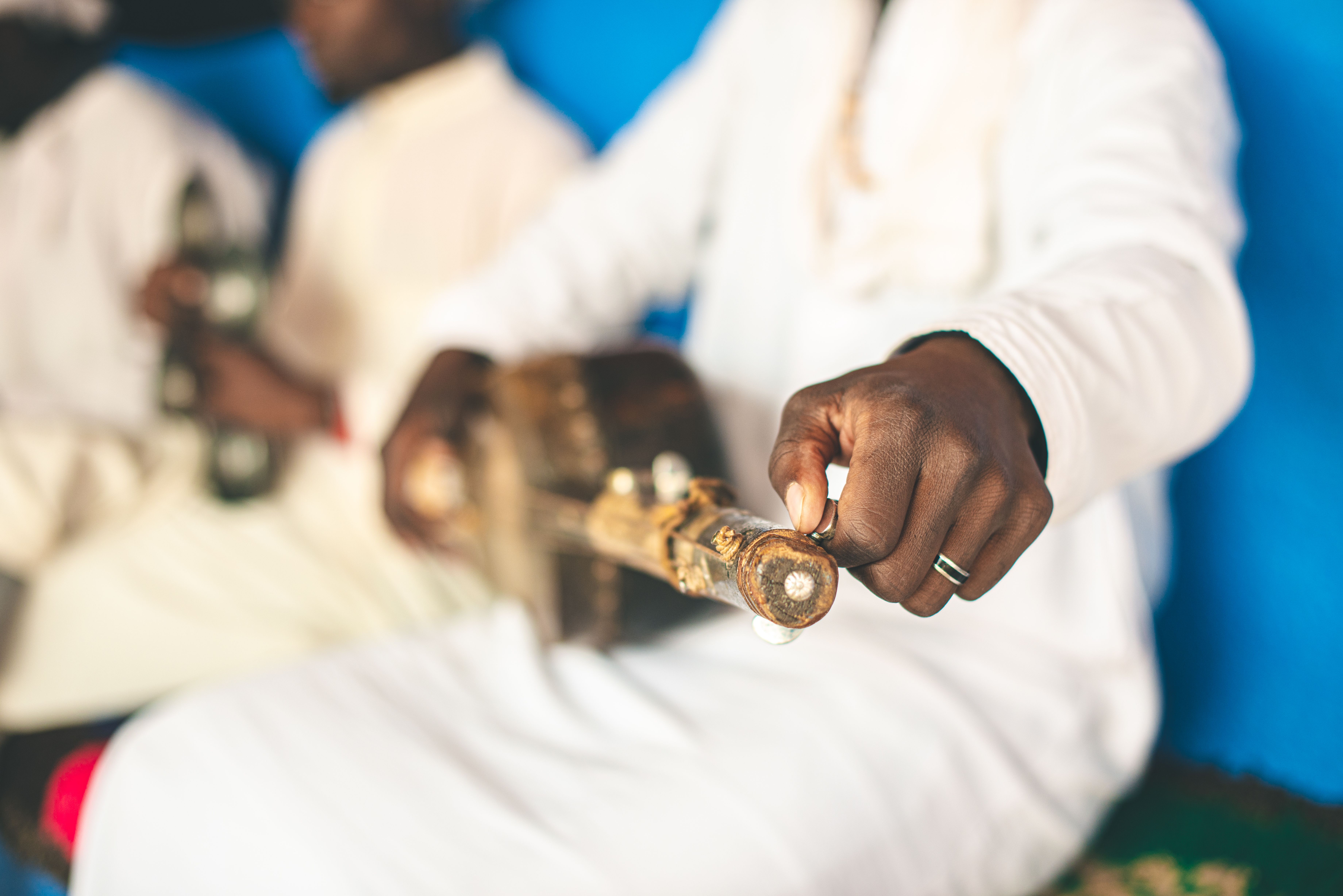
To understand the festival, it helps to understand Gnawa music itself. Gnawa music traces its origins to sub-Saharan Africa, brought to Morocco centuries ago through trade routes and the movement of communities across the region. Traditionally performed during spiritual healing ceremonies called lila, Gnawa music uses hypnotic rhythms, the deep resonance of the three-stringed guembri, and metal castanets called qraqebs to induce trance-like states believed to have healing and purifying powers.
This spiritual foundation is what gives Gnawa music its distinctive, almost otherworldly energy — an energy that the festival captures and shares with a modern audience.
Escape the city, one day at a time
From cascading waterfalls to hidden valleys and laid-back coastal towns, Morocco’s best surprises are just a day trip away. Browse our full lineup and find the one that fits your itinerary.
From Local Ritual to International Stage
The event began in 1998 as a small local gathering aimed at preserving and celebrating Gnawa heritage. Over the following decades, it grew into one of the largest music festivals in Morocco and North Africa, attracting hundreds of thousands of visitors annually. Today, this celebration stands as a bridge between ancient tradition and contemporary global music, inviting collaborations that would have seemed unimaginable a generation ago — Gnawa maâlems performing alongside jazz saxophonists, funk bassists, and electronic producers.
A Symbol of Moroccan Cultural Diplomacy
Beyond entertainment, this gathering has also become an important tool for cultural preservation and diplomacy. In 2019, Gnawa music itself was inscribed on UNESCO’s Representative List of the Intangible Cultural Heritage of Humanity, recognizing its historical and artistic significance. The festival played a meaningful role in raising international awareness of this heritage, helping ensure that younger generations of Moroccan musicians continue learning and performing these traditions rather than letting them fade. Government cultural bodies, local artisans, and international sponsors now all support the event, reflecting how far it has come from its humble beginnings.
Where and When Does the Gnawa Music Festival Take Place?
The festival takes place each year in Essaouira, a UNESCO-listed coastal city known for its whitewashed medina, blue fishing boats, and constant Atlantic breeze. The event is typically held in June, over a period of three to four days, though exact dates vary from year to year, so it’s always worth checking the official festival calendar before booking your trip.
Essaouira itself is part of what makes this celebration so magical. Its historic ramparts, narrow alleys, and relaxed seaside atmosphere provide the perfect backdrop for a festival rooted in both spirituality and community. Several stages are set up across the city, from the main square, Moulay Hassan, to smaller venues tucked inside the medina walls, allowing visitors to move between performances throughout the day and night.
What to Expect at the Gnawa Music Festival
Live Performances and International Collaborations
At the heart of the event are the live performances, which range from purely traditional Gnawa sets to elaborate cross-genre collaborations. Renowned maâlems lead trance-inducing sessions using the guembri and qraqebs, while guest artists from jazz, reggae, hip-hop, and electronic backgrounds join in to create entirely new sonic experiences. These fusion sets are often the most talked-about moments of the entire event, drawing huge crowds who come specifically to witness genres blending in real time.
Street Parades and Local Atmosphere
Beyond the main stages, the festival spills into the streets of the medina. Colorful processions featuring musicians in traditional robes and tasseled caps wind through the alleyways, accompanied by the rhythmic clatter of qraqebs. Cafés overflow with visitors, local vendors sell food and crafts, and the entire city takes on a festive, communal energy that lasts well into the night. This street-level experience is, for many travelers, just as memorable as the concerts themselves.
Top Highlights of the Gnawa Music Festival Experience
Several elements consistently stand out for first-time visitors to this celebration:
- The main stage concerts at Moulay Hassan Square, where headline collaborations bring together local and international artists in front of massive crowds.
- Intimate medina performances, offering a quieter, more traditional take on Gnawa rituals in smaller courtyard venues.
- The sense of community, as locals, expats, and tourists mix freely, dancing together regardless of language or background.
- The coastal setting, with performances often continuing late into the evening under the open sky, just steps from the Atlantic Ocean.
- The accessibility of the event, since most concerts are free and open to the public, making it one of the most welcoming cultural festivals in Morocco.
How to Plan Your Visit to the Gnawa Music Festival
Best Time to Arrive
Because the festival draws large crowds, arriving a day or two early is strongly recommended. This gives you time to settle into Essaouira, explore the medina at a relaxed pace, and secure a good vantage point for the opening performances. If your schedule allows, staying through the final day is worthwhile, as closing sets often feature some of the most anticipated collaborations of the entire event.
Accommodation Tips in Essaouira
Since this is one of the busiest weekends of the year in Essaouira, accommodation books up quickly. Riads within or near the medina offer the most immersive experience, putting you within walking distance of most festival venues. Booking several weeks in advance is essential, particularly if you want a central location close to the main stages.
For travelers coming from Marrakech, a well-organized day trip or a short overnight stay can be an excellent way to experience the festival without the stress of navigating logistics alone. A guided excursion also makes it easier to combine the festival with a broader exploration of Essaouira’s medina, port, and beaches.
What to Bring and Wear
Essaouira’s climate is famously breezy, even in June, so light layers are your best friend. Days can be warm and sunny, but the Atlantic wind picks up in the afternoon and evenings can turn cool, especially near the beach stages. Comfortable walking shoes are essential, since most of the festival is experienced on foot through sandy squares and cobbled medina streets. A light scarf or shawl is useful both for the wind and for modesty when wandering through more traditional neighborhoods.
Getting Around During the Festival
During festival days, much of the medina becomes pedestrian-friendly, and most venues are within comfortable walking distance of one another. Petit taxis are widely available for reaching accommodations outside the walls, though traffic and crowds can slow things down considerably in the evenings. Many travelers find it easiest to base themselves inside or just outside the medina walls, minimizing the need for transport altogether and allowing spontaneous stops at street performances along the way.
Why the Gnawa Music Festival Is a Must for Travelers to Morocco
For travelers seeking more than a typical sightseeing itinerary, this festival offers a rare chance to experience Moroccan culture in its most authentic and celebratory form. It’s not a staged performance for tourists — it’s a living tradition, shared openly with anyone willing to join in. The combination of spiritual depth, musical innovation, and genuine community spirit makes it one of the most rewarding cultural experiences available in Morocco today.
Whether you’re a music enthusiast, a cultural traveler, or simply looking for a unique addition to your Morocco itinerary, this event delivers an atmosphere unlike anything else in the country. Few other celebrations manage to combine ancient ritual with cutting-edge collaboration so seamlessly.
Exploring Essaouira Beyond the Gnawa Music Festival
While the festival is a major highlight, Essaouira has plenty to offer beyond the music. The city’s fortified medina, with its blue-and-white buildings and Portuguese-influenced ramparts, is a joy to wander at any time of year. The bustling fishing port offers fresh seafood and a glimpse into daily local life, while nearby beaches are popular for windsurfing and horseback riding.
Combining a festival visit with a broader day trip to Essaouira allows travelers to experience both the excitement of the event and the timeless charm of the city itself — making it easy to see why so many visitors extend their stay well beyond the festival dates.
Art lovers will also appreciate Essaouira’s thriving gallery scene, where local painters and sculptors draw inspiration from the same Gnawa culture celebrated on the festival stages. Wood workshops near the port produce intricate thuya wood carvings, a craft unique to this region, and make for a memorable stop between concerts. Even a short stroll along the ramparts at sunset, with fishing boats bobbing in the harbor below, offers a peaceful counterpoint to the festival’s high-energy performances.
Frequently Asked Questions About Gnawa Music Festival
Where does the Gnawa Music Festival take place?
It is held in Essaouira, a coastal city in western Morocco known for its historic medina, fishing port, and Atlantic beaches.
Is the Gnawa Music Festival free to attend?
Most main stage concerts and street performances at the Gnawa Music Festival are free and open to the public, though some smaller or ticketed events may occur at select venues.
What kind of music can I expect at the festival?
Expect a mix of traditional Gnawa music, played on the guembri and qraqebs, alongside fusion performances blending jazz, reggae, blues, and other world music genres.
How can I visit the Gnawa Music Festival from Marrakech?
Many travelers join a guided day trip or short excursion from Marrakech to Essaouira, which covers transport and local logistics for the Gnawa Music Festival while allowing time to explore the medina and enjoy the atmosphere.
The Gnawa Music Festival is far more than a music event — it’s a celebration of heritage, healing, and cross-cultural connection set against one of Morocco’s most beautiful coastal backdrops. Whether you come for the trance-inducing rhythms of the guembri, the electrifying fusion collaborations, or simply the joyful atmosphere of Essaouira in full celebration mode, this festival offers an experience you won’t find anywhere else in the world.
If you’re planning your Morocco itinerary around the Gnawa Music Festival, consider booking a guided day trip to Essaouira to make the most of your time, avoid transport hassles, and gain local insight into the city’s history and culture.
Have you ever experienced the trance-like pull of live Gnawa music, or is this festival now on your travel bucket list? Share your thoughts (or your own Essaouira memories) in the comments below — we’d love to hear from you!