
Yennayer: Amazigh New Year Traditions and Where to Experience It in Morocco
Yennayer, the Amazigh New Year, is one of Morocco’s most meaningful cultural celebrations. Marking the beginning of the Amazigh agricultural calendar, Yennayer brings together traditions connected to family, food, nature, music, community, and hopes for a prosperous year ahead.
For travelers, experiencing Yennayer offers a different perspective on Morocco. Instead of discovering Amazigh culture only through museums or historic sites, visitors can see traditions being practiced in homes, villages, cultural spaces, and communities across the country.
The celebration varies from one region to another, so there is no single way to celebrate Yennayer in Morocco. In some communities, families gather around special meals, while others organize music, dance, cultural exhibitions, storytelling, and community events.
If you are planning a winter trip to Morocco, Yennayer can be an excellent opportunity to experience the country’s Amazigh heritage in a more authentic cultural setting.
What Is Yennayer?
Yennayer is the Amazigh New Year, traditionally associated with the agricultural calendar of North Africa.
The celebration is deeply connected to the changing seasons, agriculture, fertility, abundance, and the beginning of a new cycle. Rather than being simply a change from one calendar year to another, Yennayer has traditionally been a time for families and communities to express hopes for prosperity and a good agricultural year.
In Morocco, Yennayer is celebrated in different ways depending on the region and local traditions.
The date can sometimes be described differently depending on the calendar tradition being referenced, but January is the key period associated with Yennayer celebrations in Morocco. Recent Moroccan sources have documented celebrations around January 13–14.
Why Is Yennayer Important in Amazigh Culture?
Yennayer has several layers of cultural meaning.
A Celebration of the Agricultural Year
Traditional Amazigh communities have historically depended heavily on agriculture and seasonal cycles.
Yennayer therefore represents a moment of renewal.
The celebration is connected with hopes for:
- Good harvests
- Rain
- Abundance
- Health
- Prosperity
- Family well-being
- A successful year ahead
This agricultural connection explains why food plays such an important role in many Yennayer traditions.
A Celebration of Amazigh Identity
Yennayer is also an important expression of Amazigh cultural identity.
Morocco officially recognized Amazigh as an official language in 2011, and the Amazigh New Year later received official national-holiday status. The Moroccan government has described Yennayer as an occasion that highlights the country’s cultural diversity and the importance of Amazigh heritage.
For visitors, this makes Yennayer an especially interesting moment to learn more about Morocco’s indigenous Amazigh heritage.
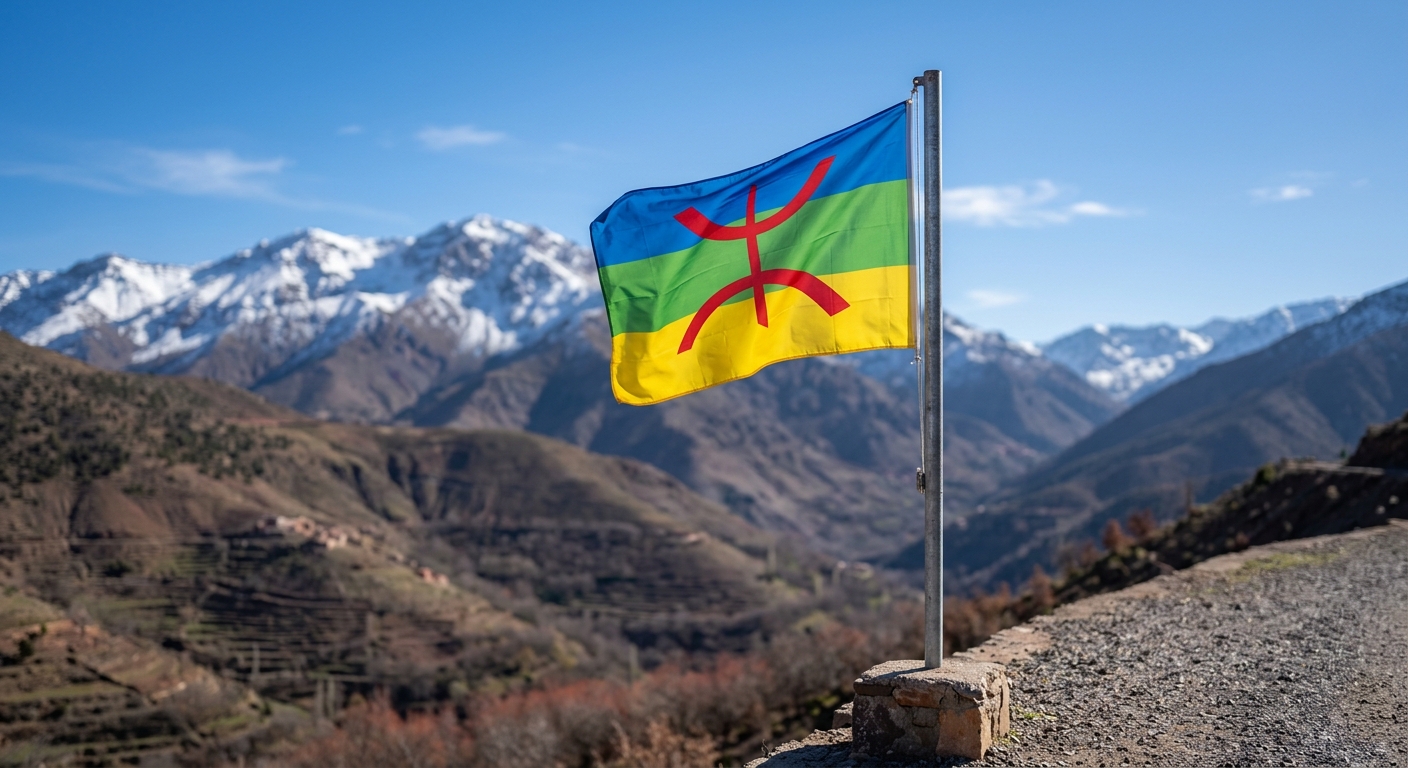
When Is Yennayer Celebrated in Morocco?
Yennayer takes place in January.
The exact date you see may vary between sources because different calendar conventions are used when discussing the Amazigh agricultural calendar.
For travel planning, January is the important period to remember.
Morocco has recognized Yennayer as a national paid holiday since 2023, giving the celebration an important official dimension in addition to its long-standing community and family traditions.
If you are planning a trip specifically around Yennayer, it is a good idea to check local cultural programs closer to your travel dates because public events can vary from year to year and from one city to another.
Yennayer Traditions in Morocco
Traditional Yennayer Food
Food is one of the most important parts of Yennayer.
Families traditionally prepare special dishes and gather together to share a meal. Recipes and ingredients differ depending on the region, which means that experiencing Yennayer in the High Atlas can be different from experiencing it in the Souss region or Middle Atlas.
Traditional dishes associated with Yennayer celebrations can include preparations based on:
- Couscous
- Barley
- Wheat
- Vegetables
- Dried fruits
- Nuts
- Seasonal ingredients
Some communities prepare dishes specifically associated with abundance and prosperity.
The meal is not simply about eating. It represents family, hospitality, continuity, and hopes for the year ahead.
Family Gatherings and Community
Yennayer has traditionally been a community and family celebration.
Families may gather to prepare food, share stories, exchange good wishes, and spend time together.
In rural Amazigh communities, these traditions can be particularly meaningful because cultural knowledge has historically been passed from one generation to another through family and community life.
For travelers, this is an important point to remember: Yennayer is not simply a tourist festival.
Many of its most meaningful traditions take place within families and local communities.
Visitors should therefore approach celebrations respectfully and avoid treating private family customs as performances created for tourists.
Amazigh Music and Dance
Music is another important element of Amazigh cultural celebrations.
Depending on the region, Yennayer events may feature traditional musical performances, drumming, singing, and group dances.
One well-known Amazigh performance tradition is Ahwach, particularly associated with southern Morocco and the Souss region.
During public Yennayer celebrations, cultural programs may include performances by local artists and traditional groups.
For example, Agadir has hosted Yennayer programs featuring Amazigh music, artistic performances, exhibitions, and cultural activities.
Traditional Clothing
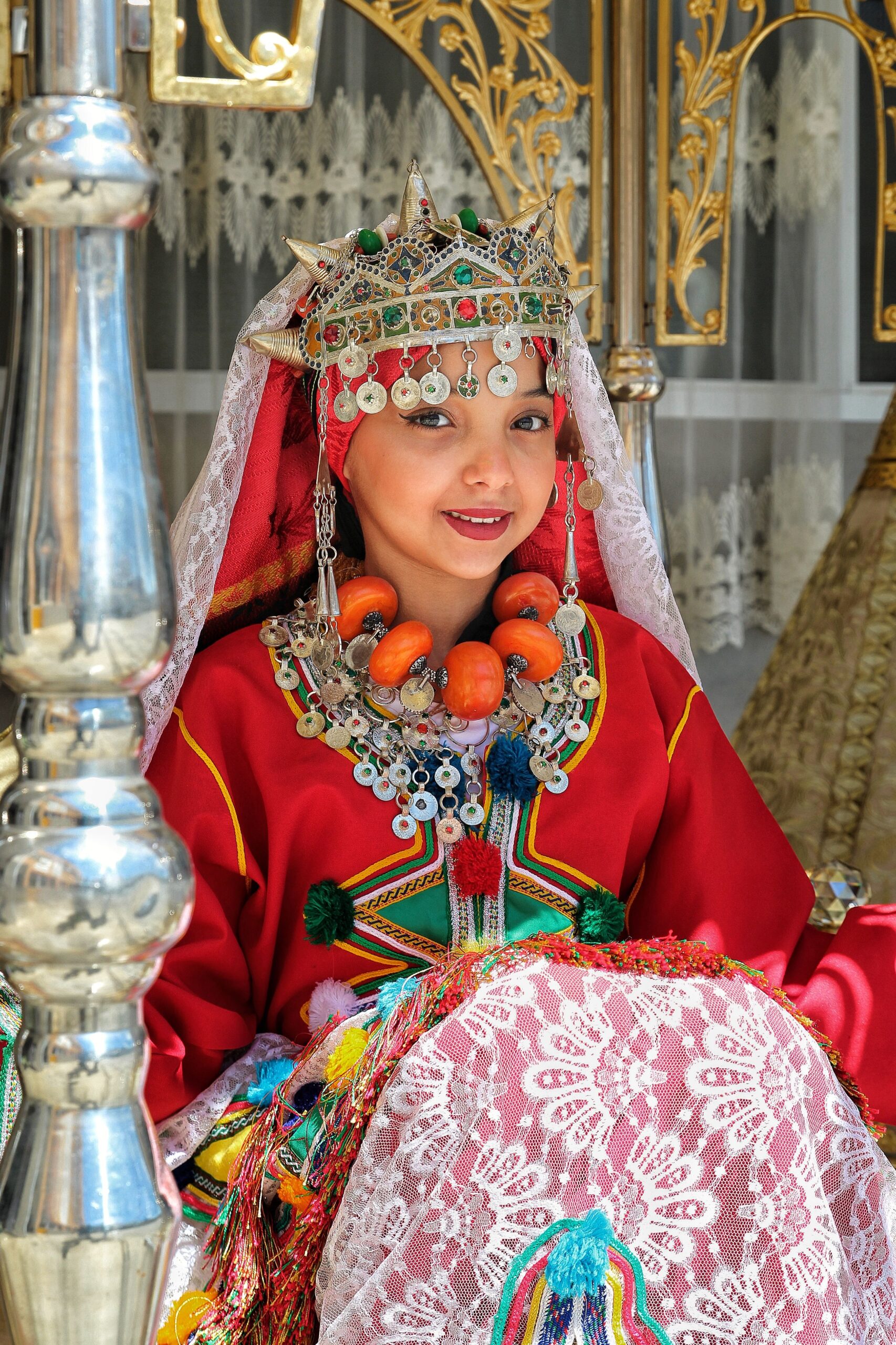
Yennayer can also be an opportunity to see traditional Amazigh clothing and jewelry.
Depending on the region, women and men may wear traditional garments featuring distinctive colors, embroidery, patterns, and accessories.
Amazigh jewelry is particularly important because designs can reflect regional traditions and cultural symbolism.
If you are interested in this aspect of Moroccan culture, visiting local artisan communities during a winter trip can add another dimension to your Yennayer experience.
Discover More from Fes
Explore our private tours from Fes and discover Morocco’s most iconic destinations with expert local guides.
Storytelling and Cultural Heritage
Amazigh culture has a strong oral tradition.
Stories, poems, songs, legends, and historical knowledge have traditionally been passed from one generation to another through spoken communication.
Yennayer provides an opportunity for this cultural heritage to remain visible and relevant.
Modern celebrations may combine traditional storytelling with concerts, exhibitions, workshops, films, and educational activities.
This combination of old and new is one of the most interesting aspects of Yennayer in contemporary Morocco.
Where to Experience Yennayer in Morocco
There is no single destination that represents all Yennayer traditions.
The celebration differs throughout Morocco, but several regions are particularly interesting for travelers who want to explore Amazigh culture.
1. Agadir and the Souss-Massa Region
Agadir is one of the best places to look for public Amazigh cultural events during Yennayer.
The city is closely connected to Amazigh culture, and previous celebrations have included concerts, exhibitions, artistic performances, cultural activities, and events in public spaces.
Agadir Oufella has also hosted Yennayer programming.
The wider Souss-Massa region is particularly interesting because Amazigh traditions remain an important part of regional identity.
For travelers who want a combination of modern Morocco and Amazigh heritage, Agadir can be an excellent base.
2. The High Atlas Mountains
The High Atlas Mountains are another fascinating region for discovering Amazigh culture.
Mountain communities have preserved many traditions related to agriculture, architecture, crafts, food, music, and village life.
During Yennayer, travelers may encounter local celebrations or cultural activities depending on the village and the year.
The best way to experience this respectfully is through a locally organized visit rather than arriving in a community expecting a public festival.
A local guide can explain the meaning behind the traditions and help travelers interact appropriately with residents.
3. Imlil and the Atlas Mountain Villages
The villages around Imlil provide an accessible introduction to mountain Amazigh culture from Marrakech.
The area is known for dramatic mountain scenery, traditional villages, agricultural terraces, and local hospitality.
If your Morocco itinerary includes Marrakech, combining a city stay with an Atlas Mountains experience can help you understand how different life can be outside Morocco’s major urban centers.
Yennayer is particularly interesting in this context because its traditional meaning is closely connected with agricultural cycles and community life.
4. Khénifra and the Middle Atlas
Khénifra, in the Middle Atlas, has also hosted significant Yennayer celebrations.
Official Moroccan reporting on the 2026 celebration highlighted Khénifra as an important location, describing cultural, scientific, and artistic programming connected with Amazigh heritage.
The city is associated with Zayan Amazigh heritage and offers travelers a different perspective from the more frequently visited destinations of Marrakech and southern Morocco.
If your interests include Amazigh history and cultural heritage, the Middle Atlas deserves more attention.
5. Southern Morocco and the Anti-Atlas
The Anti-Atlas and southern regions of Morocco are home to many Amazigh communities.
Places around Tafraoute, Tiznit, and the wider Souss and Anti-Atlas landscapes offer opportunities to explore Amazigh architecture, agriculture, crafts, music, and rural traditions.
Tafraoute in particular is an interesting destination for travelers looking beyond Morocco’s major tourist cities.
A winter journey through this region can combine mountain landscapes with cultural discovery.
Can Tourists Participate in Yennayer Celebrations?
Yes, but the way you participate matters.
Public cultural events are generally the easiest and most appropriate opportunities for visitors.
These may include:
- Concerts
- Cultural exhibitions
- Traditional music
- Dance performances
- Artisan displays
- Food events
- Educational activities
- Public celebrations
Private family celebrations are different.
If you are invited into someone’s home, follow your host’s lead and be respectful of local customs.
Avoid photographing people, food rituals, or ceremonies without permission.
The goal should be to learn about the culture rather than simply collect photographs.
What Should Travelers Eat During Yennayer?
Yennayer food varies considerably between Moroccan regions and families.
This is actually part of what makes the celebration interesting.
You may encounter traditional preparations involving grains, vegetables, couscous, dried fruits, nuts, and other local ingredients.
Some dishes have symbolic associations with abundance and prosperity.
Rather than looking for one single “Yennayer dish,” travelers should think of the celebration as a regional culinary tradition.
The food served in a High Atlas village may differ from what is prepared in the Souss region.
That diversity reflects Morocco’s broader culinary heritage.
Yennayer and the Amazigh Calendar
The Amazigh calendar is traditionally associated with the agricultural cycle.
The modern Amazigh era commonly counts from 950 BCE, linked in popular explanations to the reign of Shoshenq I, also known as Sheshonq or Chachnaq.
However, travelers should distinguish between the cultural use of this era and the historical complexities surrounding the calendar’s development.
For most visitors, the most important point is that Yennayer represents a long-standing seasonal and cultural tradition connecting communities with agriculture, nature, and the passage of time.
Why Visit Morocco During Yennayer?
January is not Morocco’s busiest tourism period, which can make it an appealing time for travelers interested in culture.
Depending on your itinerary, you can combine Yennayer with:
- Marrakech
- Atlas Mountains
- Agadir
- Souss-Massa
- Fes
- Desert landscapes
- Historic kasbahs
- Traditional markets
- Amazigh villages
Winter also provides a different perspective on Morocco.
The Atlas Mountains can be cold and snowy at higher elevations, while southern Morocco and the Atlantic coast generally offer milder conditions.
This allows travelers to combine cultural experiences with varied landscapes during the same trip.
How to Experience Yennayer Respectfully
If you are visiting Morocco during Yennayer, keep a few principles in mind.
Choose Local Experiences
Whenever possible, choose experiences organized with local communities or knowledgeable Moroccan guides.
Ask Before Taking Photos
Traditional clothing, ceremonies, meals, and family gatherings can be personal.
Always ask before photographing people.
Learn a Few Amazigh Words
Even a simple greeting or expression of appreciation can show genuine interest.
Don’t Expect Every Celebration to Look the Same
Yennayer is celebrated differently across Morocco.
There is no single “correct” Yennayer experience.
Respect Private Traditions
Public celebrations are open to visitors, while private family traditions should remain private unless you are personally invited.
Yennayer vs. Moroccan New Year’s Eve
Yennayer should not be confused with the Gregorian New Year celebrated on December 31 and January 1.
They represent different calendar traditions and cultural contexts.
Morocco can therefore have several different ways of marking the beginning of a new year.
Yennayer is particularly connected with Amazigh heritage, agriculture, seasonal renewal, family, and community.
This makes it an especially valuable cultural experience for travelers interested in understanding Morocco beyond its famous monuments.
Frequently Asked Questions About Yennayer in Morocco
What is Yennayer?
Yennayer is the Amazigh New Year and traditionally marks the beginning of the Amazigh agricultural calendar. It is associated with renewal, abundance, family, community, and hopes for a prosperous year.
When is Yennayer celebrated in Morocco?
Yennayer is celebrated in January. The date can appear as January 13 or January 14 depending on the calendar convention being used. Travelers planning a visit should check local announcements for the year they intend to travel.
Is Yennayer a public holiday in Morocco?
Yes. Morocco officially recognized the Amazigh New Year as a national paid holiday in 2023.
Where is Yennayer celebrated in Morocco?
Yennayer is celebrated across Morocco, particularly among Amazigh communities. Agadir and the Souss-Massa region, the High Atlas, Middle Atlas, Anti-Atlas, and other areas with strong Amazigh traditions can offer interesting cultural experiences.
Can tourists experience Yennayer?
Yes. Visitors can attend public cultural programs, performances, exhibitions, and community events when they are open to the public. Private family celebrations should be approached respectfully and only joined by invitation.
Yennayer: Amazigh New Year is much more than a date on the calendar. It is a celebration of renewal, family, agriculture, food, music, community, and Amazigh cultural heritage. From public cultural programs in Agadir to the mountain communities of the High and Middle Atlas, travelers can discover different expressions of this important Moroccan tradition. If you are planning a winter trip, experiencing Yennayer respectfully can add a meaningful cultural dimension to your journey and help you see Morocco beyond its famous cities and monuments. Have you ever experienced Yennayer in Morocco, or would you like to celebrate it during your next trip? Share your thoughts in the comments.