Game of Thrones Morocco Filming Locations: A Traveler’s Guide
Game of Thrones Morocco filming locations are some of the most rewarding movie sites in North Africa for fans who want to step off the screen and into the real desert kingdoms of Essos. While the fantasy series is best known for its dramatic castles in Northern Ireland and Croatia, three of its most memorable scenes were shot right here in Morocco — in the coastal city of Essaouira, the ancient fortified village of Ait Benhaddou, and the sprawling backlots of Atlas Studios in Ouarzazate. If you’ve ever rewatched a scene from Slaver’s Bay and wondered where it was really filmed, this guide walks you through every real location, how to get there, what it costs in time and effort, and what to expect when you visit.
What Are the Real Game of Thrones Morocco Filming Locations?
Before booking anything, it helps to know exactly what was filmed where, since not every “GOT connection” advertised online is accurate.
Morocco played a supporting but memorable role in the show, standing in for the free cities of Essos rather than for Westeros itself, which was largely built in Northern Ireland, Croatia, Iceland, Malta, and Spain.
Three sites in Morocco carry a strong, well-documented connection to the series:
- Essaouira — used as the port city of Astapor during Season 3
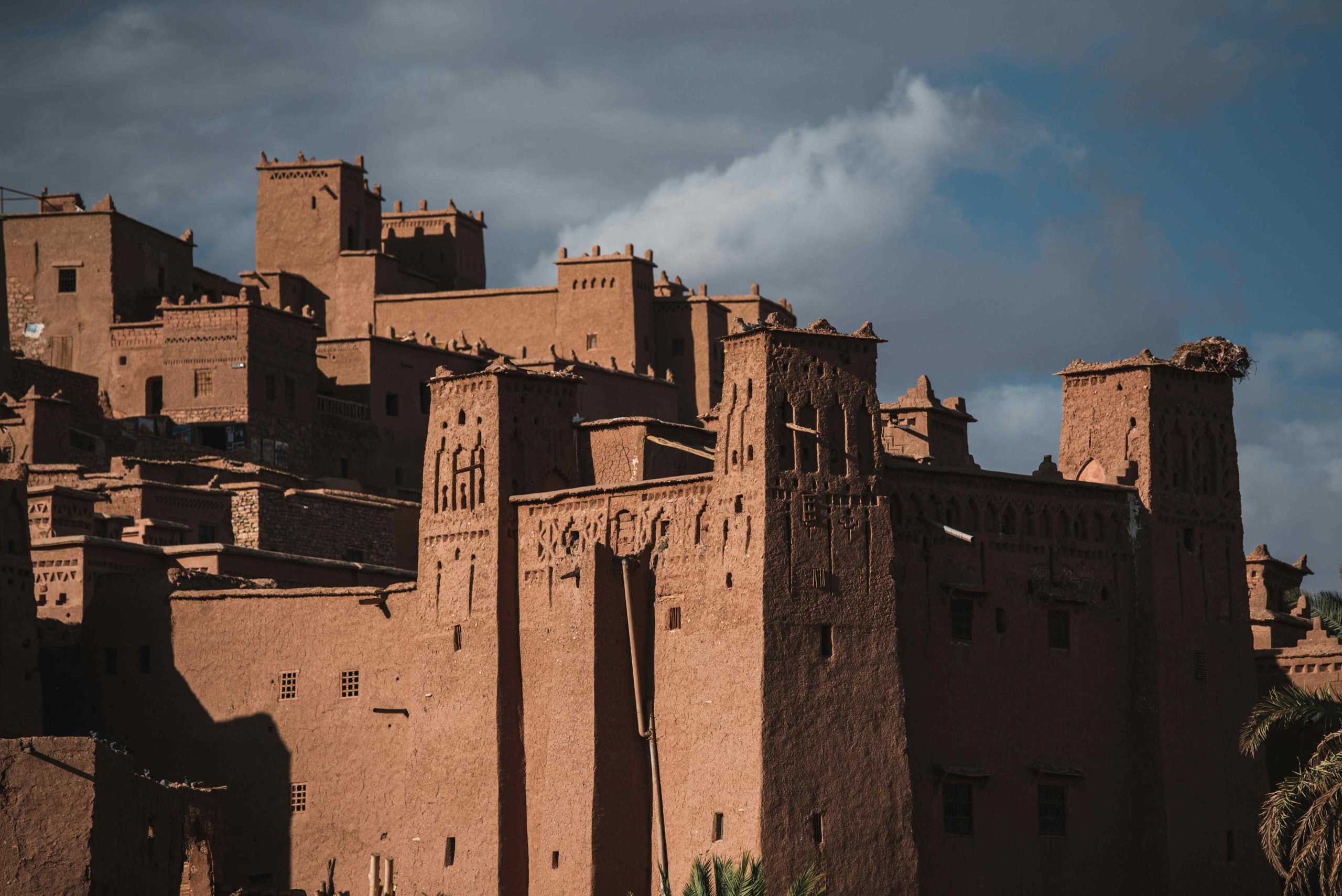
- Ait Benhaddou — the UNESCO-listed ksar that became the slave city of Yunkai
- Atlas Studios, Ouarzazate — the production base where several interior sets and exterior elements, including parts of Pentos, were built
Unlike some destinations that only claim a loose connection to a franchise for marketing purposes, these three sites have confirmed production history — backed by cast interviews, behind-the-scenes footage, and local guides who worked as extras during filming.
That makes a trip built around them one of the few places in the world where the fantasy connection is genuinely real rather than exaggerated for a listing photo.
Understanding this distinction matters, because it shapes which itinerary actually delivers on the promise of visiting an authentic film set rather than a generic desert tour with a Game of Thrones label attached.
Essaouira – The City That Became Astapor
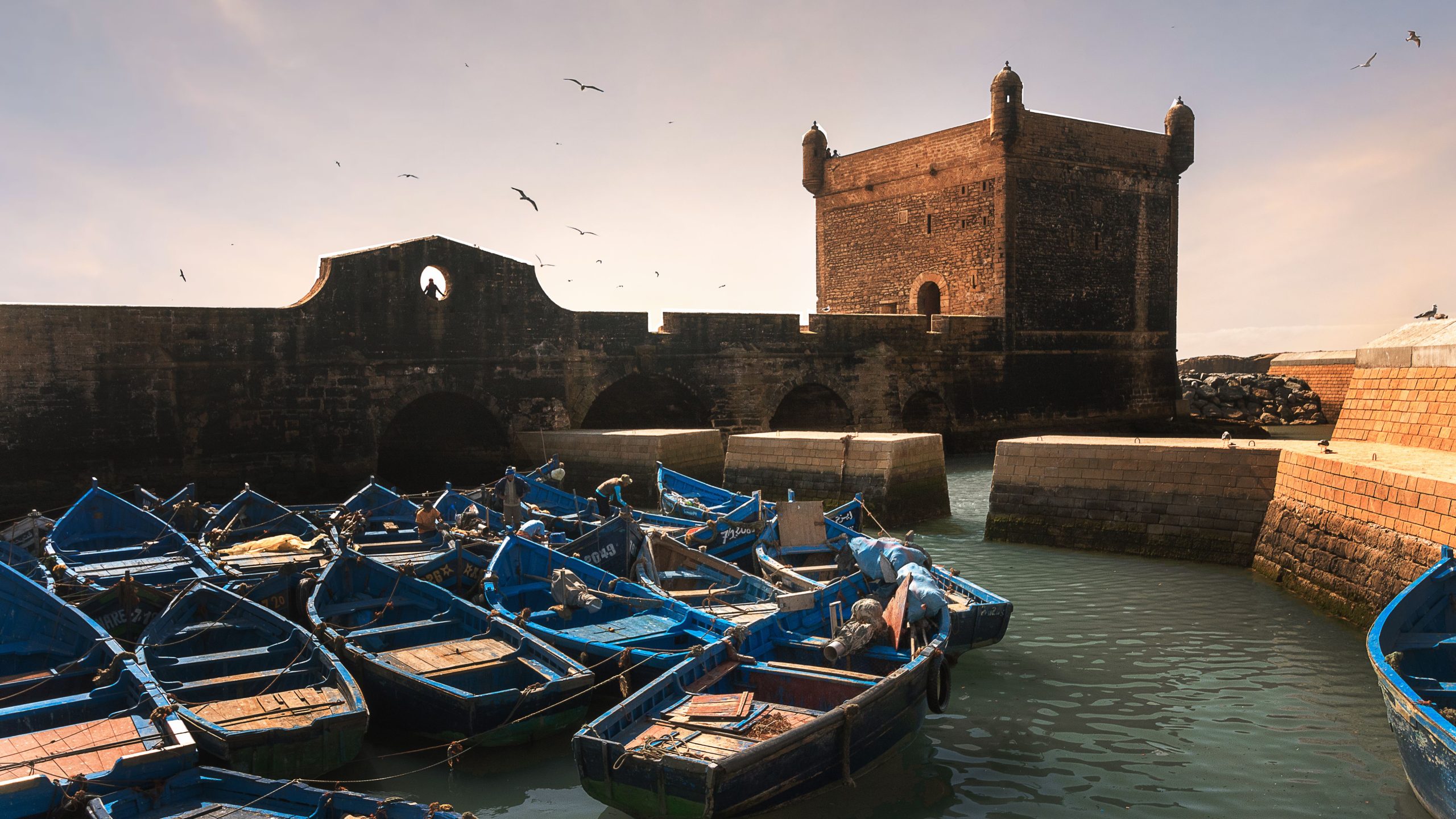
Of all the Morocco filming locations tied to this franchise, Essaouira is arguably the most atmospheric. This windswept Atlantic port, roughly two and a half hours from Marrakech, has fortified ramparts, blue fishing boats, and a walled medina that made it the perfect stand-in for Astapor, the slave city liberated by Daenerys Targaryen in Season 3.
Walking along the Skala de la Ville — the 18th-century sea bastion lined with old bronze cannons — it’s easy to see why the location scouts chose it. The stone ramparts, crashing Atlantic waves, and seagulls circling overhead create a cinematic backdrop that needed almost no alteration for filming.
Locals in Essaouira still remember the production crews setting up along the ramparts, and several tour guides working in the city today were background extras during the shoot, which adds a layer of firsthand storytelling that few other filming-location visits can offer.
Beyond the on-screen connection, Essaouira rewards visitors on its own merits. The medina is a UNESCO World Heritage Site with narrow blue-and-white alleyways, working woodworking workshops, and art galleries tucked into old riad courtyards.
The seafood at the port, grilled fresh on open-air stalls just steps from the fishing boats, is some of the best on Morocco’s coast.
The town’s laid-back, artsy atmosphere is a welcome contrast to the intensity of Marrakech, which is exactly why combining cinematic history with genuine local culture has made an Essaouira day trip one of the most popular excursions for visitors staying in the Red City.
Ready to See It for Yourself?
Explore our private tours from Marrakech and turn this guide into your own Game of Thrones adventure across Essaouira, Ait Benhaddou, and Ouarzazate.
Ait Benhaddou – Ancient Ksar Turned Yunkai
If Essaouira gave the show its coastal backdrop, Ait Benhaddou gave it monumental scale. This centuries-old ksar — a fortified village built from rammed earth and clay along an ancient caravan route — sits about a three-hour drive from Marrakech on the road toward the Sahara. Its layered defensive towers, rising dramatically from the valley floor against the Atlas Mountains, were used to represent the slave city of Yunkai, one of the cities Daenerys conquers on her path across Essos.
Ait Benhaddou is one of the best-preserved examples of pre-Saharan earthen architecture anywhere in the world, which is exactly why it has attracted filmmakers for decades — not just for this production, but for a long list of major films shot in the surrounding area.
Walking through its narrow, sun-baked alleys today, past working artisan workshops selling sand paintings and textiles, and a small resident population that still calls the upper ksar home, gives visitors a genuine sense of history layered underneath the fictional world built on top of it.
Climbing to the ruined agadir (fortified granary) at the summit rewards visitors with a sweeping panorama of the Ounila Valley that alone justifies the trip.
Ait Benhaddou is most commonly visited as part of a multi-day desert tour from Marrakech, which stops here on the way toward the Sahara.
Why Ait Benhaddou Is Also a Movie-Lovers Paradise
The village’s cinematic résumé extends well beyond this one series. Its dramatic silhouette has appeared in Gladiator, The Mummy, Kingdom of Heaven, and Lawrence of Arabia, among many others.
Local guides at the site often point out exactly where different productions set up their cameras, making a visit feel less like a single-franchise pilgrimage and more like a walking tour through decades of film history — all set against the same striking backdrop that first drew directors here generations ago.
Atlas Studios, Ouarzazate – Morocco’s Hollywood
A short drive from Ait Benhaddou sits Ouarzazate, often nicknamed “Ouallywood” for its long-running film industry. Atlas Corporation Studios here is one of the largest film studios in the world by surface area, and it has hosted productions ranging from historical epics to science fiction blockbusters over more than three decades. Portions of the Essos scenes, including elements of the city of Pentos, were built and filmed on these lots, alongside sets for other major franchises.
What makes Ouarzazate worth the detour isn’t just the studio itself, but the surrounding red-rock desert scenery that has doubled for everywhere from ancient Rome to a galaxy far, far away.
Guided studio tours here walk visitors through leftover sets, props, and costumes from dozens of productions, giving a behind-the-scenes look at how these fantasy worlds were actually constructed — from painted temple facades to full-scale ship hulls left standing in the desert sun.
For fans, seeing the raw plywood-and-plaster reality behind a scene that looked so convincing on screen is often the highlight of the entire trip.
How to Visit These Game of Thrones Morocco Filming Locations
Most travelers base themselves in Marrakech, which sits within comfortable day-trip range of all three sites — though covering everything in a single day is ambitious, so it helps to plan according to your schedule and travel style.
From Marrakech
A private day trip to Essaouira typically runs 7-8 hours round trip, with 3-4 hours to explore the medina, ramparts, and port.
Ait Benhaddou and Ouarzazate are usually combined into a single excursion, since they sit along the same route toward the desert, roughly 3-3.5 hours each way. Private transport is the most comfortable option, since it allows for photo stops along the Tizi n’Tichka mountain pass — one of the most scenic drives in the country, climbing over 2,200 meters through Berber villages and terraced valleys.
From Essaouira or the Desert Route
If you’re already staying on the coast, Ait Benhaddou and Ouarzazate are a longer haul — closer to a full-day or overnight trip given the distance back across the Atlas Mountains.
Travelers already heading toward Merzouga or the Sahara on a multi-day desert tour often stop at Ait Benhaddou and Ouarzazate naturally along the route, making it easy to fold the filming locations into a longer itinerary rather than a dedicated round trip.
Best Time to Visit the Filming Locations
Spring (March to May) and autumn (September to November) offer the most comfortable temperatures for exploring both the coast and the desert-adjacent sites. Summer in Ouarzazate and Ait Benhaddou can be intensely hot, often exceeding 40°C by early afternoon, while Essaouira’s Atlantic breeze keeps it noticeably cooler year-round — one more reason the two are often paired into a longer, multi-day itinerary rather than rushed into a single overheated afternoon.
Winter is mild and quiet, with fewer crowds at Ait Benhaddou, though early mornings in the desert-side towns can be surprisingly cold.
What to Expect on a Game of Thrones Day Trip in Morocco
A well-run excursion to these sites blends fandom with genuine cultural immersion. Expect knowledgeable guides who can point out specific camera angles and filming spots, time to wander the medina or ksar at your own pace, and stops for authentic Moroccan food along the way — often a slow-cooked tagine lunch overlooking the valley near Ait Benhaddou, or fresh grilled sardines by the port in Essaouira.
Photography opportunities are a major draw. The ramparts of Essaouira at sunset and the golden-hour light on Ait Benhaddou’s towers are two of the most photographed scenes in Moroccan tourism, filming connection aside. Bring a wide-angle lens if you have one, and expect to spend as much time taking in the landscape as thinking about the show itself — most travelers find the setting compelling well beyond its screen credits.
Tips for Fans Planning Their Visit
- Book a specialized guide. Not every driver knows the exact filming spots — a guide familiar with the production history will point out details a general tour misses entirely.
- Combine sites logically. Ait Benhaddou and Ouarzazate pair naturally due to proximity; Essaouira is best treated as its own day given the distance between the coast and the desert route.
- Go early or late in the day. Both the ramparts and the ksar get crowded by midday, and the light is far better for photos in early morning or late afternoon.
- Pack for temperature swings. Coastal Essaouira can be windy and cool even in summer, while the desert-side route toward Ouarzazate gets considerably hotter and drier.
- Set expectations about scale. These are real, working towns and studios, not theme parks — part of the appeal is that the connection to the show sits quietly alongside everyday Moroccan life.
Frequently Asked Questions About Game of Thrones Morocco filming locations
Are the Game of Thrones Morocco filming locations open to the public?
Yes. Essaouira and Ait Benhaddou are open, inhabited towns that welcome visitors year-round, and Atlas Studios in Ouarzazate offers regular guided tours of its sets and backlots.
Which city best represents Essos in the show?
Ait Benhaddou is generally considered the standout, representing the slave city of Yunkai with its dramatic tiered architecture.
Can I visit all three locations in one day?
It’s tight but possible with a very early start and private transport, though most travelers prefer splitting Essaouira from the Ait Benhaddou–Ouarzazate route for a more relaxed pace.
Is Ait Benhaddou still inhabited?
Yes, a small number of families still live within the ksar, alongside artisan workshops that are open to visitors.
How far is Ait Benhaddou from Marrakech?
It’s roughly a three-hour drive, mostly along the scenic Tizi n’Tichka mountain pass through the Atlas Mountains.
If you’d like to experience it yourself, you can join a private day trip to Essaouira directly from Marrakech.
Chasing down the real Game of Thrones Morocco filming locations is one of the more rewarding ways to explore the country’s south — not because the fictional connection is essential, but because it leads travelers to three of Morocco’s most striking destinations: a windswept Atlantic fortress, a UNESCO-listed earthen village, and one of the world’s great film studios, all connected by one of the most scenic road trips in North Africa. Ready to start planning? Explore our private tours from Marrakech and build your own cinematic route through southern Morocco.
Aït Benhaddou for sure! The history and architecture look breathtaking, even beyond the Game of Thrones connection😍
Honestly, driving through the Tizi n’Tichka pass to visit both Aït Benhaddou and Atlas Studios together sounds like the perfect desert itinerary.